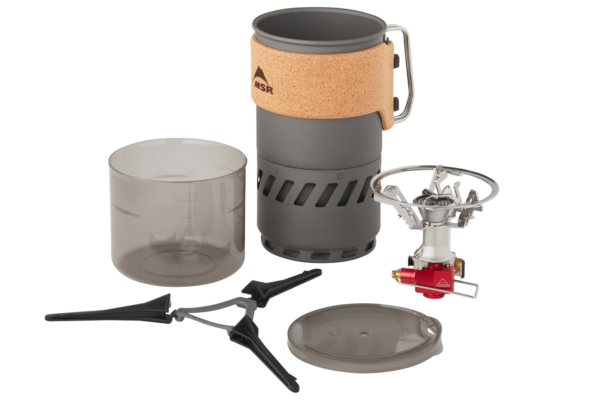
Backpacking stoves are one of my favorite things to write about because I covet them. I first started using an MSR Dragonfly when I was 15 years old. Around 17, wanting to get away from liquid gas, I switched to an MSR Pocket Rocket, which used gas canisters. Then, at 20, my girlfriend gave me the original Jetboil stove system, and it became my go-to backpacking cooking system for the last 2 decades.
Since that time, I have gone back and forth between those three stoves even though I’ve gotten to test many more. Anything else I came across just didn’t offer any benefit over them, so I moved on. Then, one day, wandering around REI, I bought myself an MSR Switch Stove System.
Aptly named, the Switch is a viable option for my personal backpacking cooking needs. But it also allows me to cook efficiently for my kids or anyone else tagging along on an adventure. What’s more is that it does all of this while maintaining that uber-desirable integrated canister backpacking stove system design that Jetboil pioneered years ago.
However, this stove is similar to a Jetboil only in form. Functionally, the two are worlds apart.
In short: The MSR Switch Stove ($140) is a versatile little camp cooking system. Its cooking design allows you to use the included pot, or any other camp pot, pan, or mug that’s safe to cook with. The spherical base of the pot helps heat contents more evenly (although it takes significantly longer to boil water than with a flash boil system). It uses more gas than a Jetboil or Pocket Rocket, but it makes up for that through sheer versatility.
Compare the MSR Switch Stove System to others on GearJunkie’s guide to the Best Backpacking Stoves.
Weight:
14 oz. (1 lb., 5 oz. w/ recommended 3.9 oz. MSR IsoPro gas canister)
Dimensions:
7.1" x 4.77" x 4.5"
Fuel type:
Isobutane canister
BTU output:
7,100
Burn time:
Approx. 41 min. per 4 oz. canister; approximately 84.5 min. per 8 oz. canister
Boil time (1 L):
5 min.
Pros
Hybrid cooking ability
Packable
Lightweight
Cons
Not as efficient as other integrated canister stoves
Cooks slower
The gas canister stabilizer can be a pain to store
Nick LeFort
MSR Switch Review
MSR Switch: What It Is & What It Isn’t
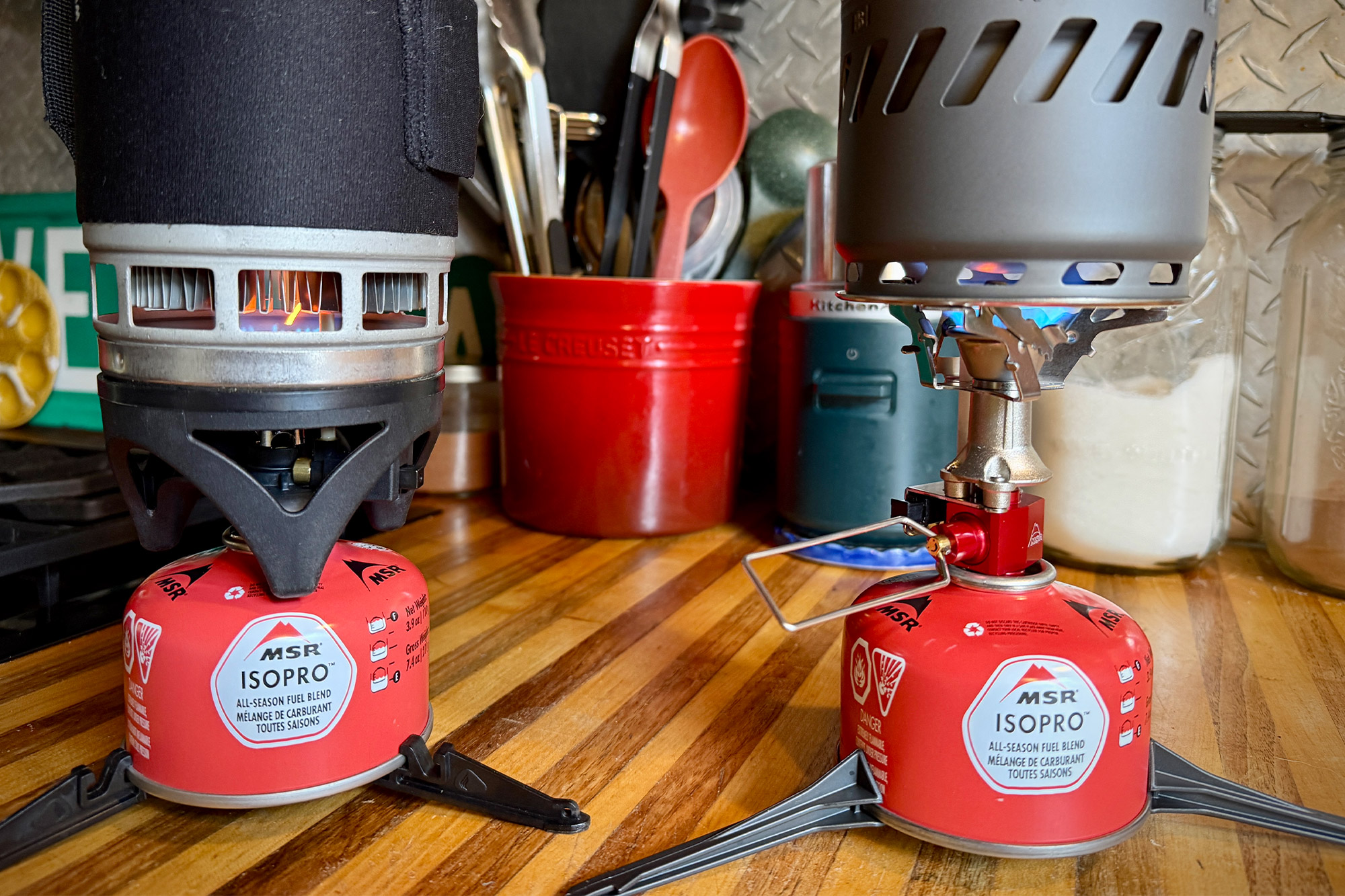
Both of these things are not like the other; (photo/Nick LeFort)
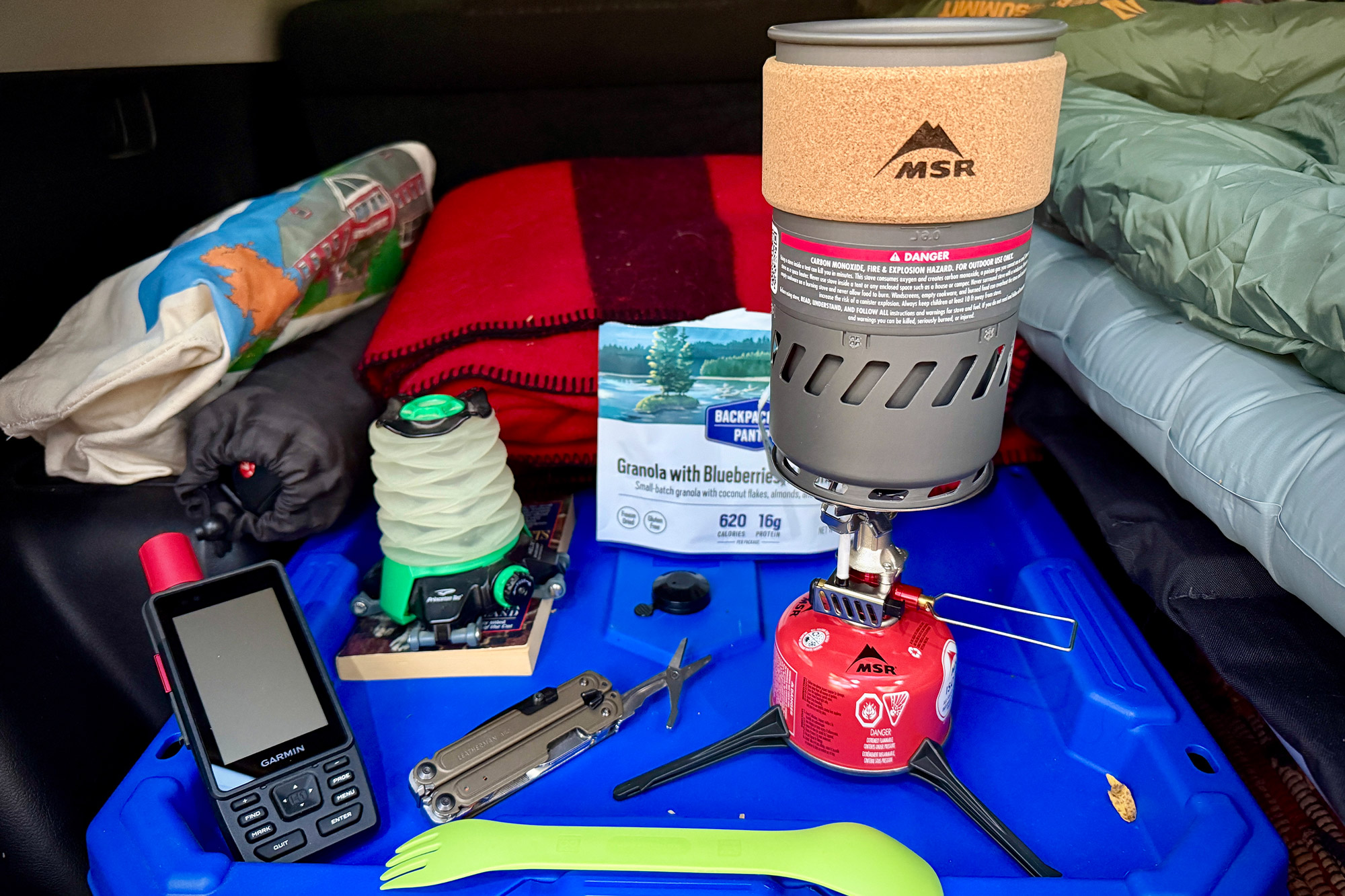
The Switch looks like a Jetboil Flash, or, more accurately, MSR’s own WindBurner Personal Stove. All three stoves utilize a heat exchanger to shield against wind and direct heat for efficient cooking and responsible gas consumption.
However, their burner types are very different. Where the Jetboil uses controlled conduction and the WindBurner uses radiant heat to achieve the fastest boil possible, the Switch uses an open flame burner and therefore can “switch” between boiling water and cooking food in a frying pan or larger pot.
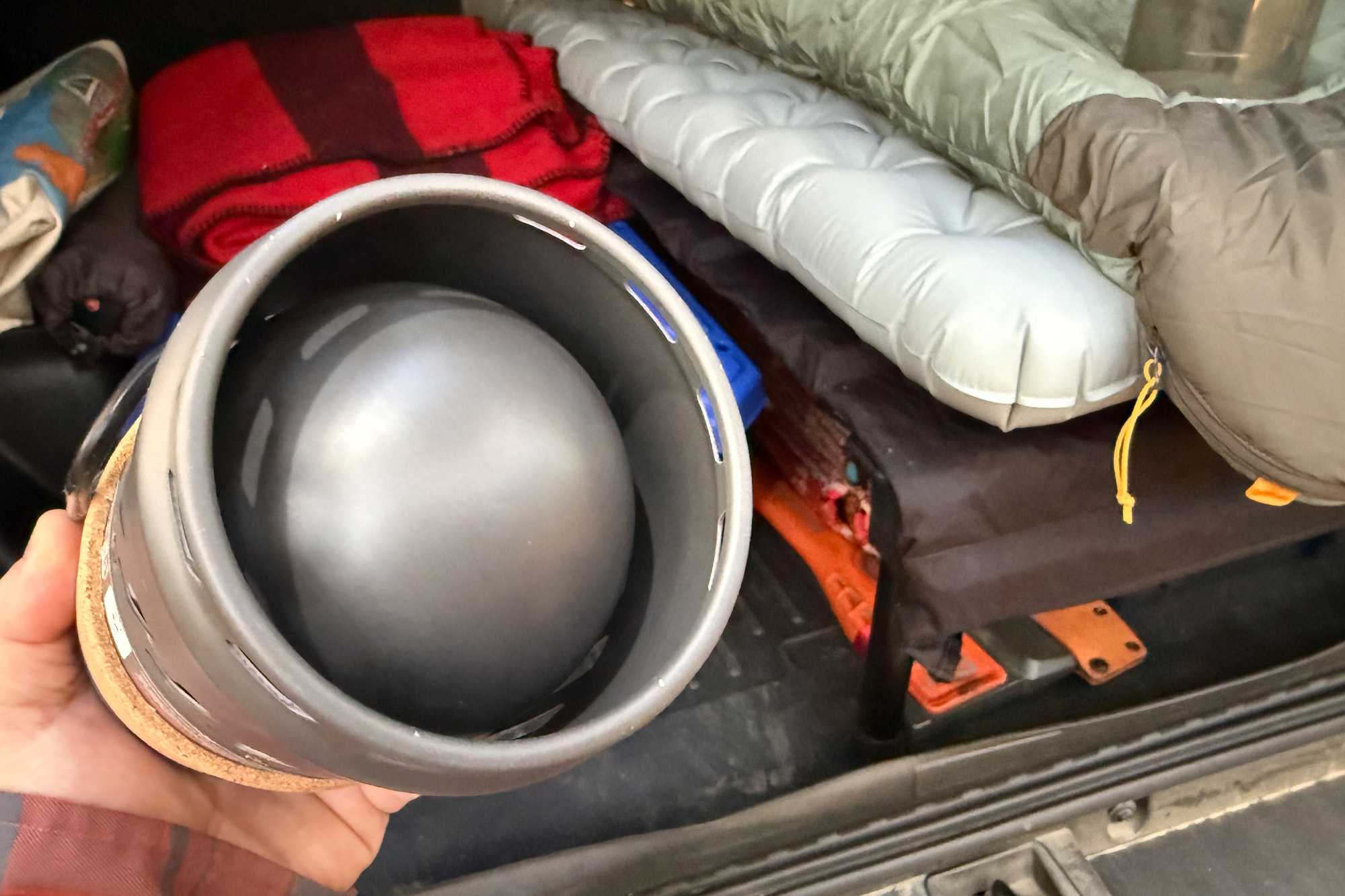
Additionally, the Switch’s 1L canister does not lock into its burner. Instead, it sits on a ring attached to the burner. This design allows it to function as a “hybrid” of sorts. It could be considered less efficient because it allows more wind and air to pass through. To adjust for this, the bottom of the canister is spherical. This allows the flame to surround the contents, achieving a rolling boil — though not at a record-setting pace.
When using a frying pan or pot with this configuration, you will burn through more fuel. That might throw folks for a loop who are used to the efficiency of an integrated canister backpacking stove system.
Safety & Stability
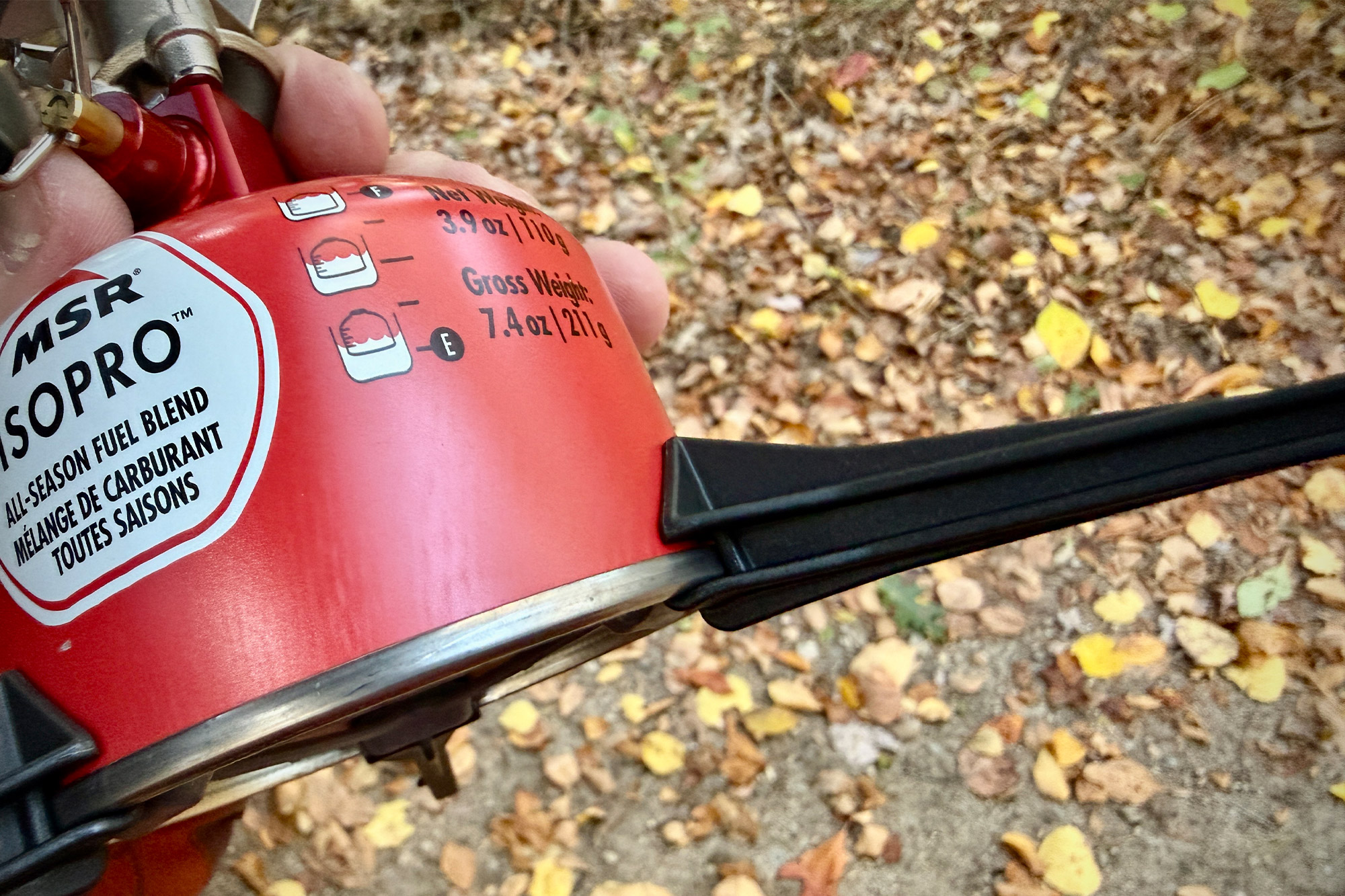
The Switch’s Canister Stand adjusts to different gas canister sizes and locks in place with determination; (photo/Nick LeFort)
I prefer canisters that lock onto the burner for efficiency (and safety). However, the fact that the Switch lacks this feature allows it to adapt to a frying pan or pot. It does this through integrated fins that fold out from the burner frame. This plays a role in both stability and safety.
The Switch comes with a stretchy silicone canister stand. That keeps the gas canister and burner upright if the stove gets bumped. At the most, you might lose your soup or whatever you’re frying if you’re in “trail gourmet” mode. If you’re cooking on leaves or grass, this becomes a safety feature, as the open flame on the burner can start a fire if tipped over.
Weight
I am by no means an ounce counter when it comes to my gear. However, when I first picked up the box containing the Switch, I thought it was empty. At 14 ounces, it’s notably light. You’ll make up for that in adding a gas canister or two to your pack, but it’s still worth noting for a stove that can cook for just you or your whole party.
Gas Consumption
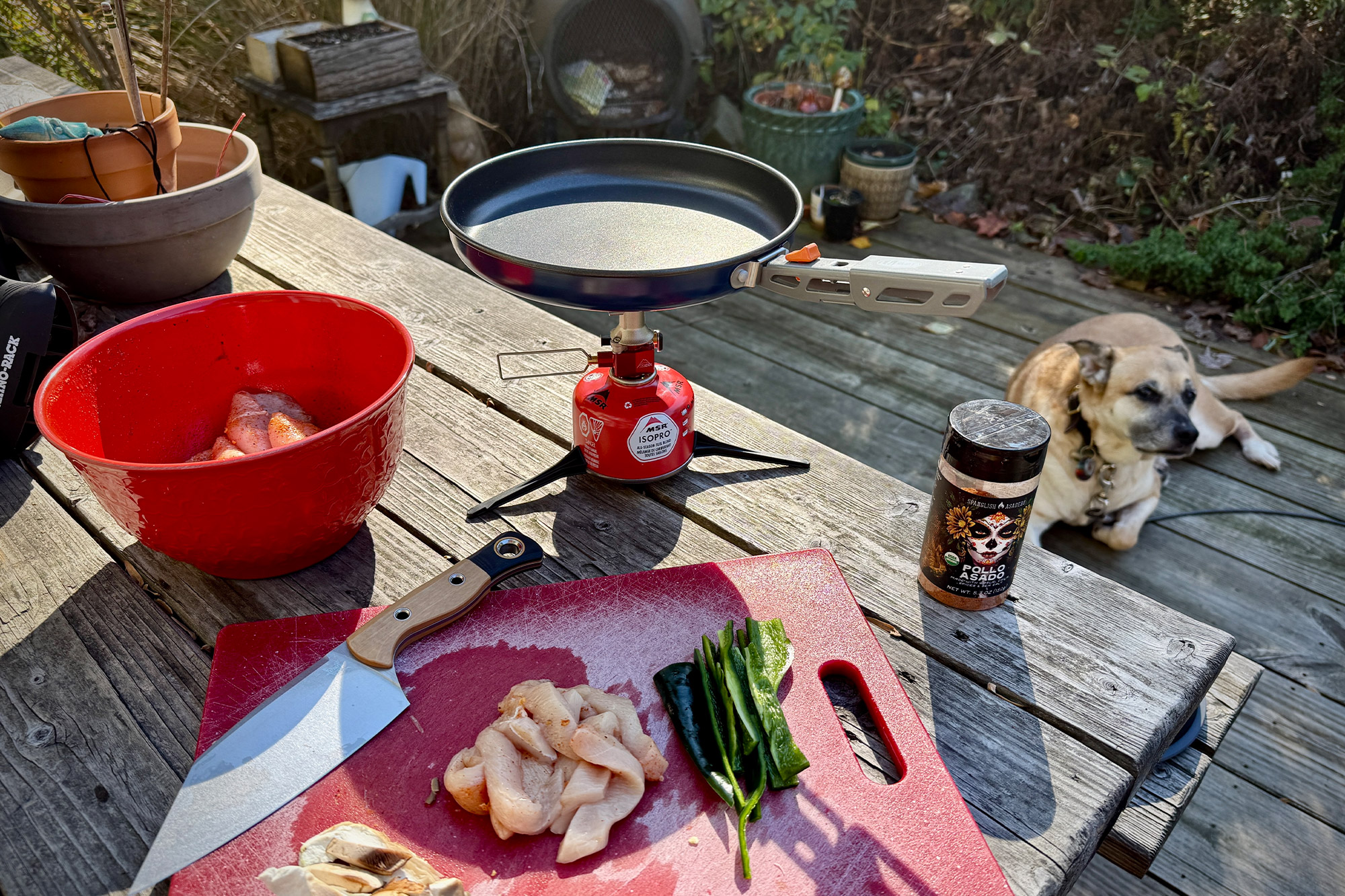
The Switch can switch from one cooking method to the next easily; (photo/Nick LeFort)
In testing, I was able to get nine rolling boils of 16 ounces of water from a single 3.9-oz. MSR IsoPro canister. If you’re focused on freeze-dried meals, that could be as few as nine meals or upward of 18. I would say that’s a solid amount. I did the same test with my Jetboil and was able to eke out 11 rolling boils of 16 ounces of water.
Both of those tests were done in my kitchen for the closest apples-to-apples comparison.
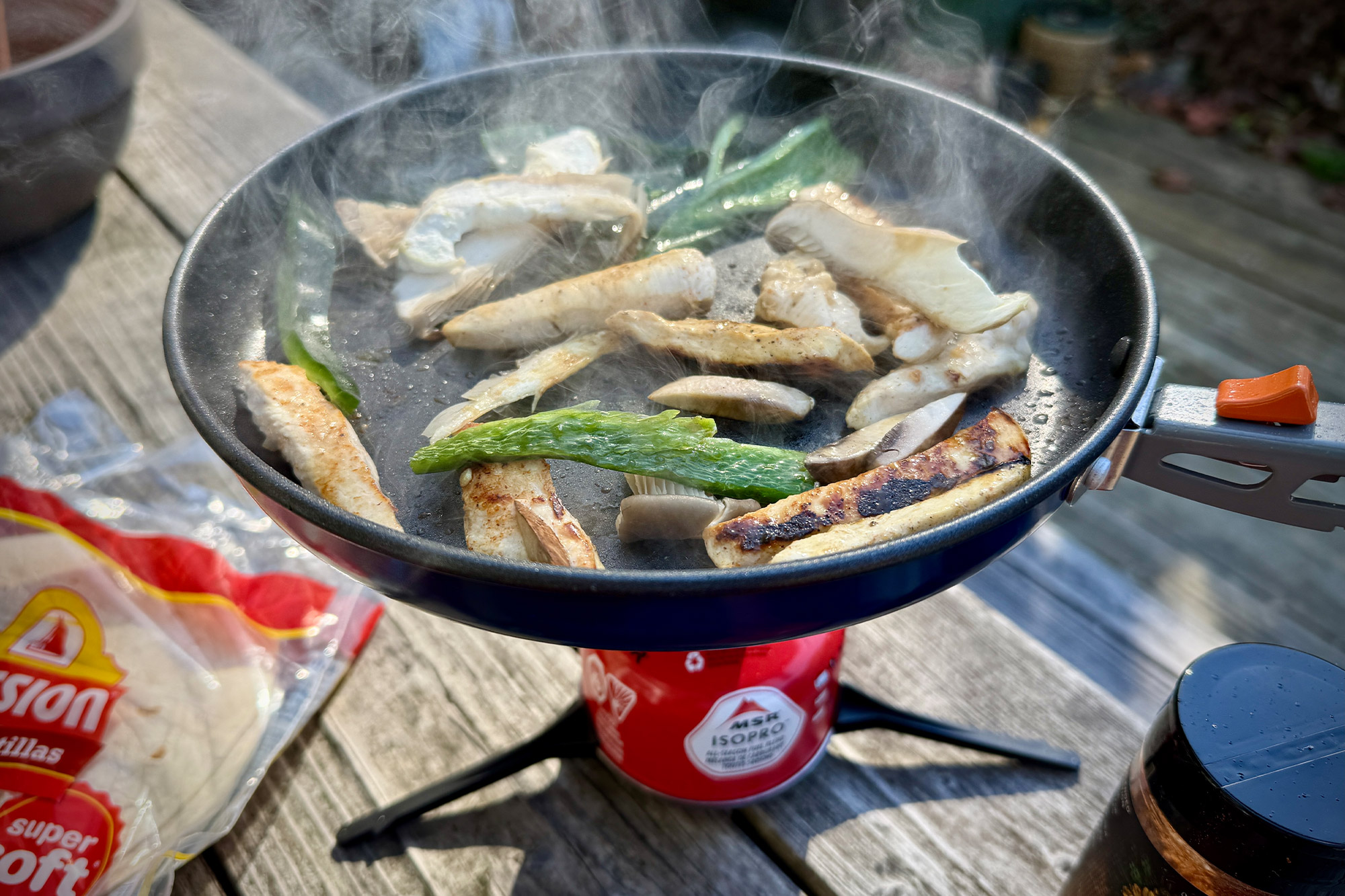
When it came to switching over to cooking in a pan or pot, I expected to burn through a lot of gas prepping some chicken fajitas. However, I did not. I sliced the peppers, chicken breast, and mushrooms, and set everything outside on a windy fall day. Once the pan got hot, I was able to easily roll the olive oil around, so I got to cooking.
My total cook time was 12 minutes. I cooked enough for two solid fajitas and only burned through 1 ounce of IsoPro. To be honest, I was a bit surprised that the Switch was this efficient in this setting. Under optimal conditions, I could probably get three full pan-cooked meals out of this stove.
Editor’s note: Other GearJunkie testers who used this stove did not share my experience with gas efficiency. Camp editor Will Brendza found that this stove absolutely drained his gas canisters. He could barely get three rolling boils out of a single small canister before running empty. However, when he approached MSR, the brand suggested it could have been a defect with his early testing sample. I didn’t experience the same inefficiency.
In the Field
(Photo/Nick LeFort)
I am happy I decided to test the Switch out both in my kitchen and in the outdoors. Near-freezing temperatures require a little more fuel. Still, the stove didn’t perform out of the ordinary, even when it had to work a little harder.
That said, if you’re going to be out and about for a few days, bring an extra can of fuel with you. Consider bringing two extra canisters if you plan on eating more gourmet meals.
As someone who splits his time between backpacking alone and with his kids, the benefit of this stove is in the fact that it’s all integrated. I can easily switch between the two cooking styles. However, there are a few other advantages of the Switch worth pointing out.
Cup Handles
These handles, in conjunction with the cork wrapping, keep your hands away from the hot canister and reduce the risk of burns.
Cooldown Time
From the point of turning off the fuel to the point where you can comfortably handle the canister, wipe it down, and put it away is less than 5 minutes.
(Photo/Nick LeFort)
Pot & Pan Stability
I was assuming there would be a bit of a trade-off here. Even with the burner fins extended, its diameter remains relatively small. However, I had no issues using a pot or pan on top of it. This is also partly due to the canister stand that provides a wide footprint for added stability on most surfaces.
PackTowel Cleaning Cloth
It’s the little things that catch your attention. In this case, the included PackTowel cleaning cloth makes wiping down the included pot a breeze. It also protects the pot’s interior from getting scratched by the burner during storage and transport. There is also a diagram of how to nest the items inside, which we sometimes all need after a long day of roaming around.
MSR Switch Stove: Overall
The spherical bottom of the Switch 1L cylinder aids in both efficiency and gas preservation; (photo/Nick LeFort)
Though the Switch isn’t setting any time records in boiling water, I am not sure it really needs to. It’s still on par in terms of efficiency when compared to other top backpacking stoves. Even when using a frying pan or boiling a larger pot of water, it’s efficient enough in both terms of time and gas usage to get from start to finish.
If you’re a serious backpacker who relies on a stove that can boil water fast, then you might consider MSR’s WindBurner Personal Stove or a Jetboil Flash. Both of those stoves will be better suited to your needs. However, if you’re someone who could benefit from both a more versatile (although slower) cooking setup, MSR has done an incredible job of providing that with the Switch.
Nothing beats a home-cooked meal that requires a knife and fork out on the trail. Even if just for one night, as a reward for bagging a peak, the ability to do that is a “nice to have” that I won’t soon be able to walk away from.
Shopping for outdoorsy campers and backpackers might seem like an easy task at first. But when you walk into an REI or start perusing a site like Backcountry, the sheer volume of brands and products can be overwhelming, even paralyzing. And the constant flow of new designs and types of products is hard to keep up with.
That’s what we’re here for, though. We’ve been keeping tabs, taking notes, and reviewing the best camping gear on the market all year. This curated list is a guide to some of our favorite camping gift ideas — the ones that we’ll be buying for friends and family who enjoy getting outside as much as we do.
Be sure to check out all of our gift guides for more ideas to suit every adventurer on your list!
The Best Camping Gifts of 2025
Jetboil Flash 1.0 L Fast Boil System
(Photo/Jetboil)
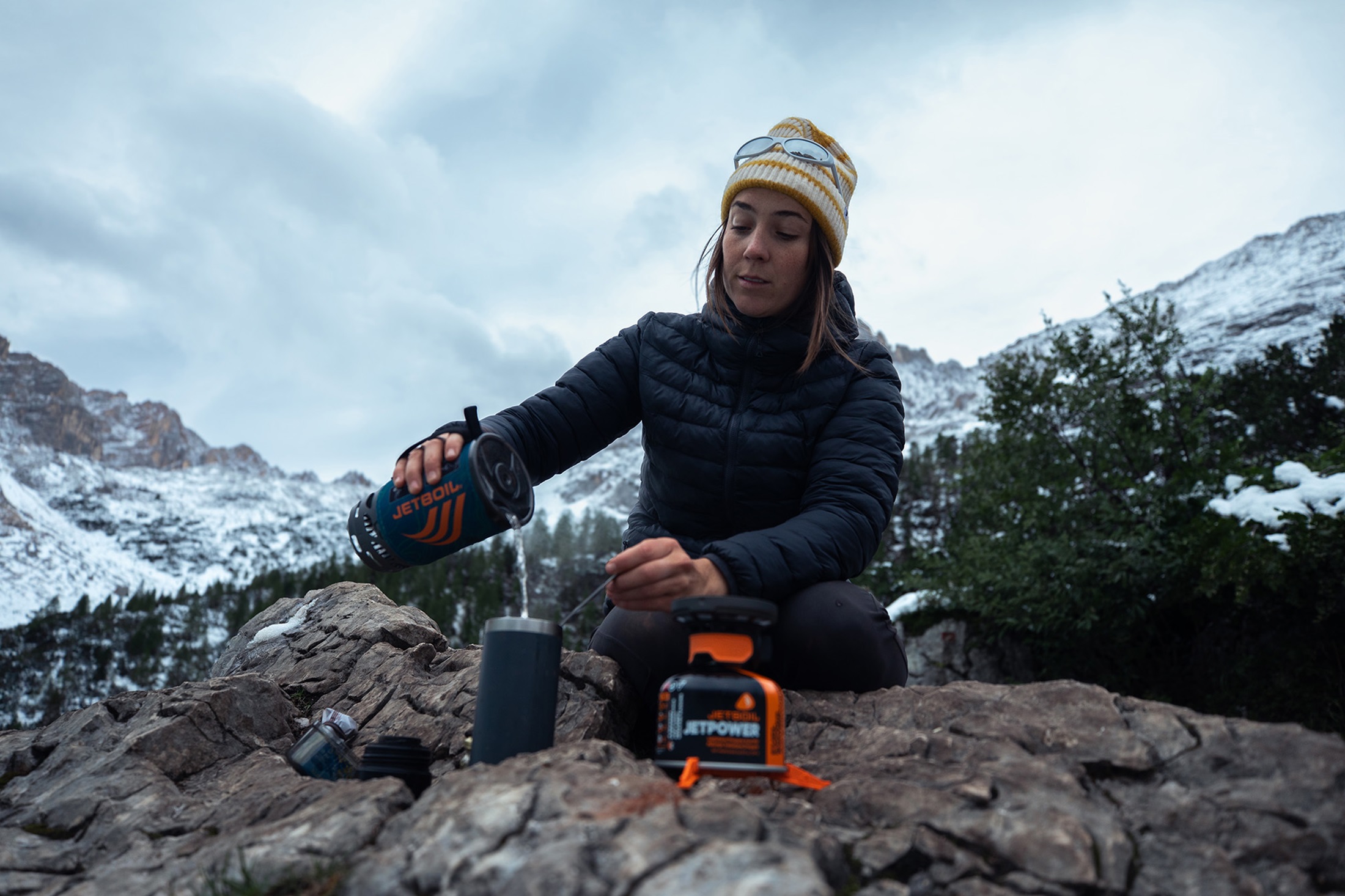
If someone backpacks and doesn’t have a Jetboil, you’ll change their life with this simple gift.
The standard 1L Flash Boil System is tried and true, and extremely popular among backpackers, thru-hikers, survivalists, winter campers, and travelers since 2001. The corrugated “FluxRing” increases the surface area of the bottom of the pot, allowing the burner to boil water in under 2 minutes.
Once you have one of these things, it’s amazing how much you’ll use it — from backpacking trips to roadside coffee-making stops, and everything in between.
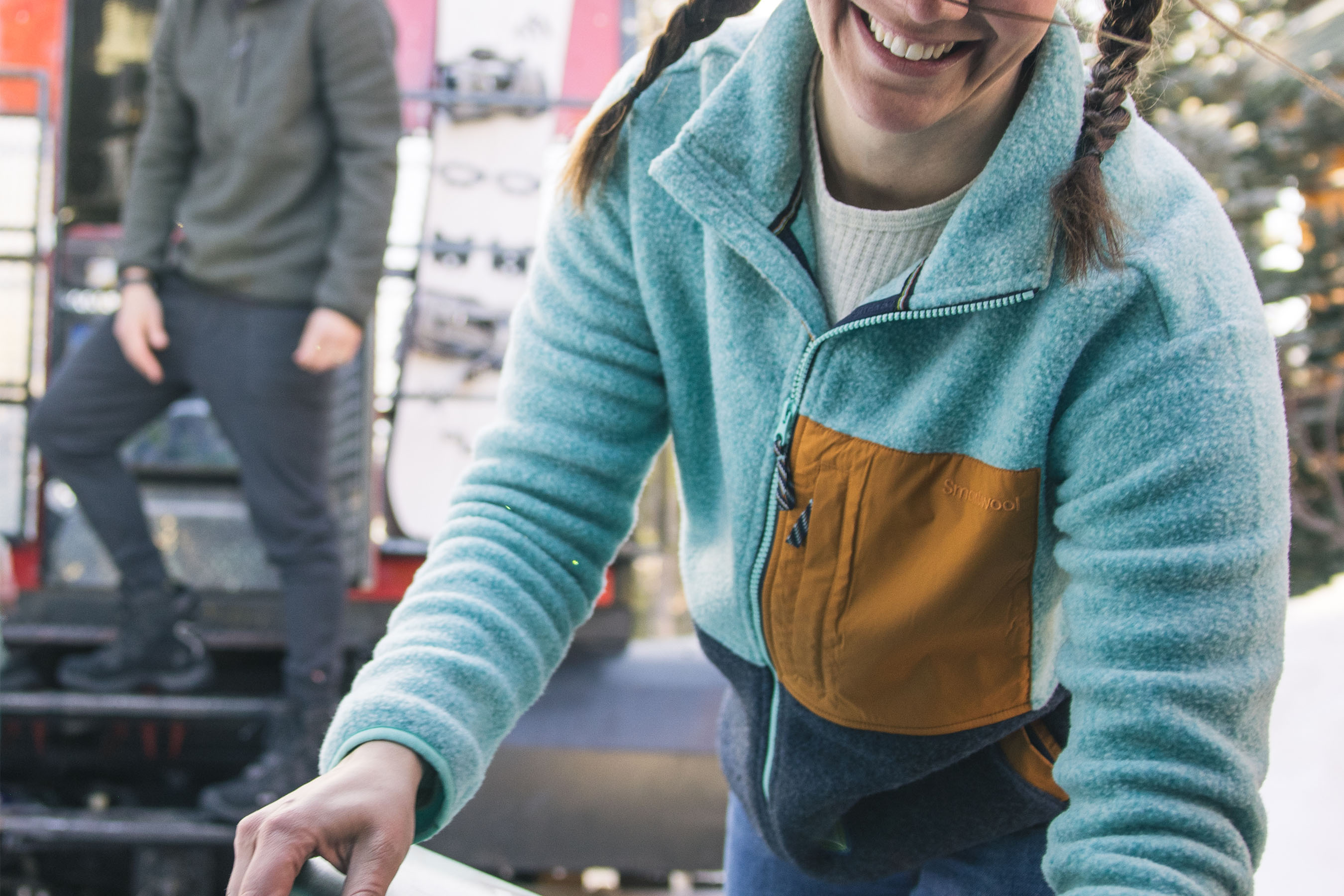
Warm, soft, stylish, and made from recycled textiles, the Smartwool Second Cut Fleece has everything you want in a midlayer jacket. Constructed using Smartwool’s own blend of merino wool, this jacket has odor resistance, manages moisture, and, most importantly, regulates temperature so you stay warm when the air outside is chilly.
All Second Cut Fleece Jackets are made using scraps of fleece that would have otherwise been discarded. With this jacket, they get a second chance and can keep you warm all winter long for many years to come.
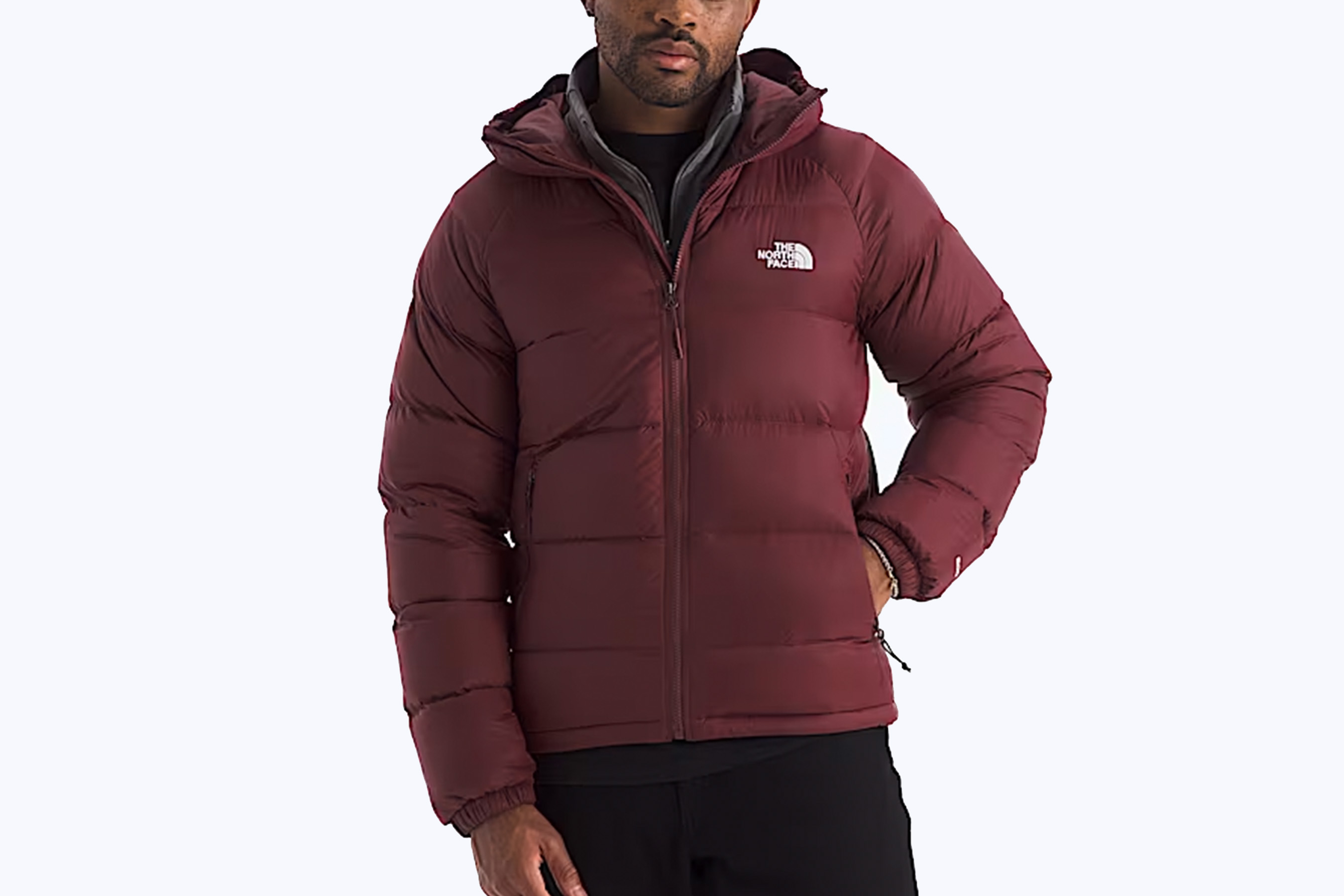
With 600-fill down and DWR finish, the Hydrenalite Hoodie is perfect for cold days and snowy weather. The recycled nylon face fabric and lining is soft against the skin, and the attached three-piece hood is large enough to pull up over a beanie or hat. Elastic cuffs and an internal draft flap help keep warm air in and cold air out.
Whether you’re hitting a winter trail or heading out on the town, this jacket is a versatile fit for cold days.
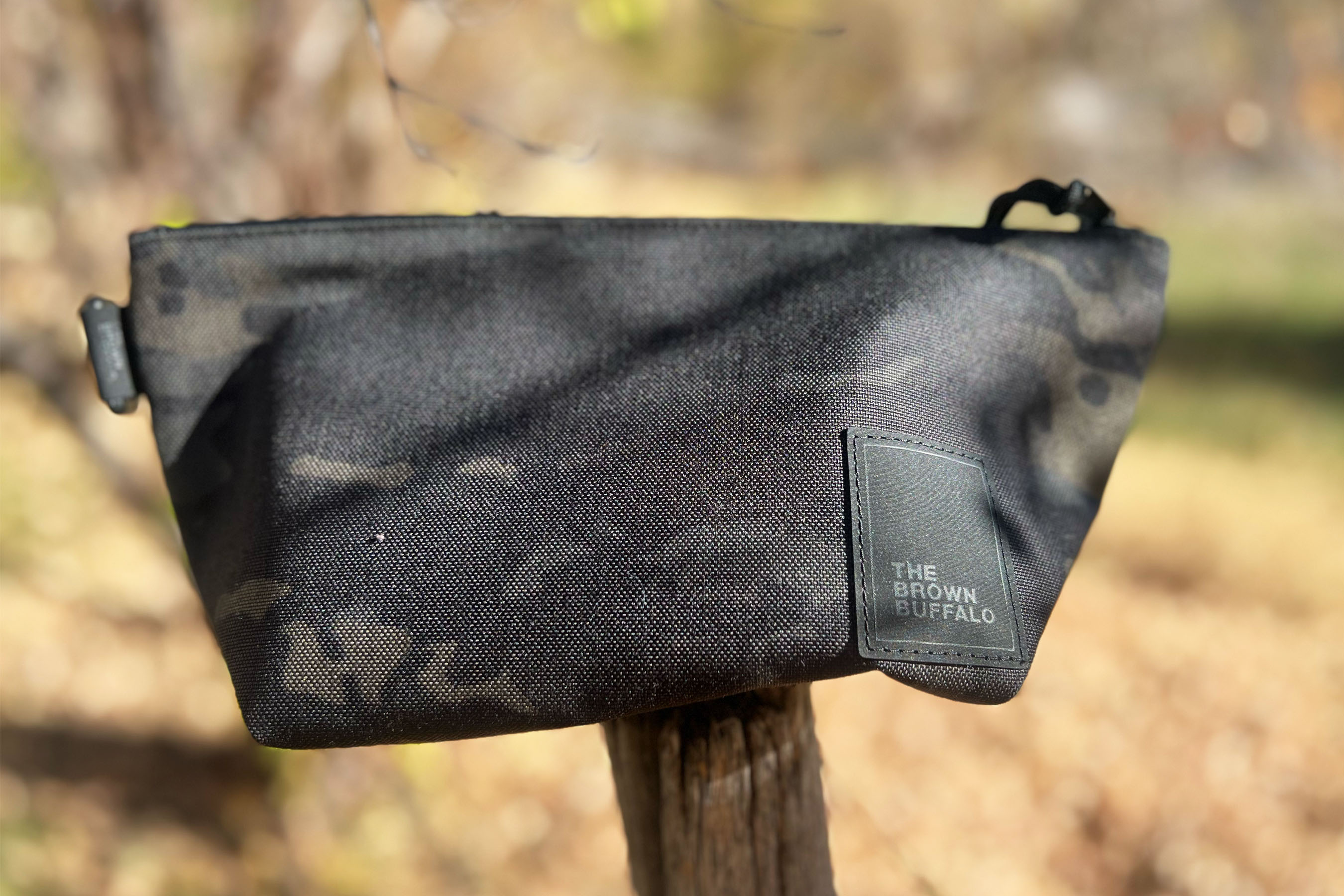
What does one use a dopp kit for? Anything you want, really. The beauty of this simple piece of gear is its versatility. A good dopp kit is only limited by your imagination. And the Brown Buffalo Dopp Kit is a truly great dopp.
Made with DWR-treated 1000D Cordura MultiCam Nylon, it’s very durable. The camo colorway is absolutely in right now, and the neon orange liner on the interior makes it easy to see what’s inside — be it toiletries, drawing tools, tech, gadgets, or whatever else you decide to fill it with.
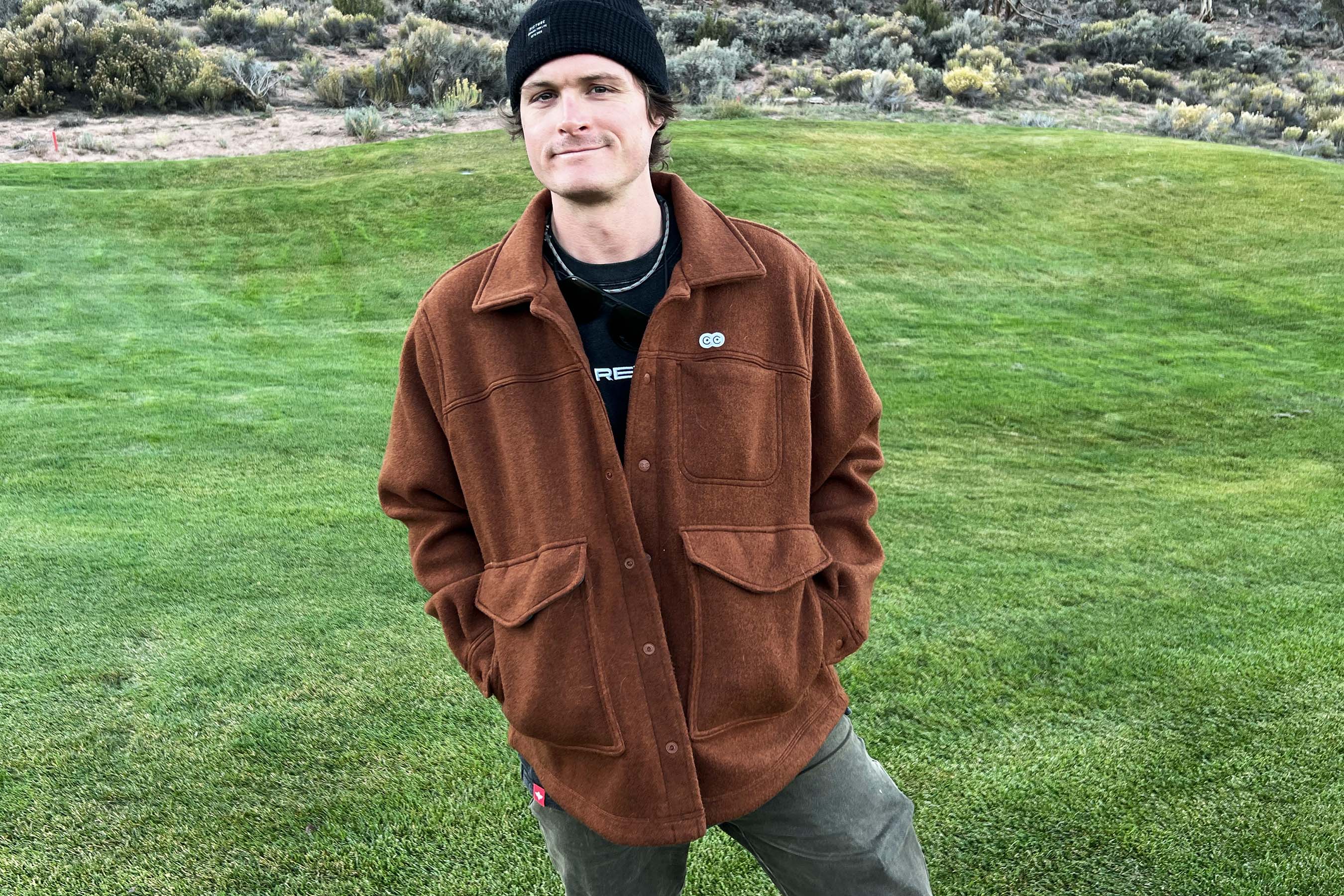
The “shacket” is an important piece of any camper’s outdoor apparel. Not quite a jacket, not quite a shirt, this heavy layer exists somewhere in between — and you’ll be shocked at how often you reach for it. If the camper in your life is in need of a shacket, there are a lot of options out there. But few of them deliver as much quality and style as the Hungry Horse Jacket from Curious Creatures.
Curious Creatures, a Bozeman, Montana-based MTB outfit, released this new piece as part of its fall 2025 line. We got our hands on a sample and haven’t stopped using it since it arrived in the mail. The thick, fleecy material is soft to the touch and warm, and the workwear-style looks as good around town as it does at the campsite.
It’s got enough pockets to easily store what you need, it’s durable enough to handle the rough and tumble needs of campsite life, and it’s warm enough to fend off chilly nights around a campfire.
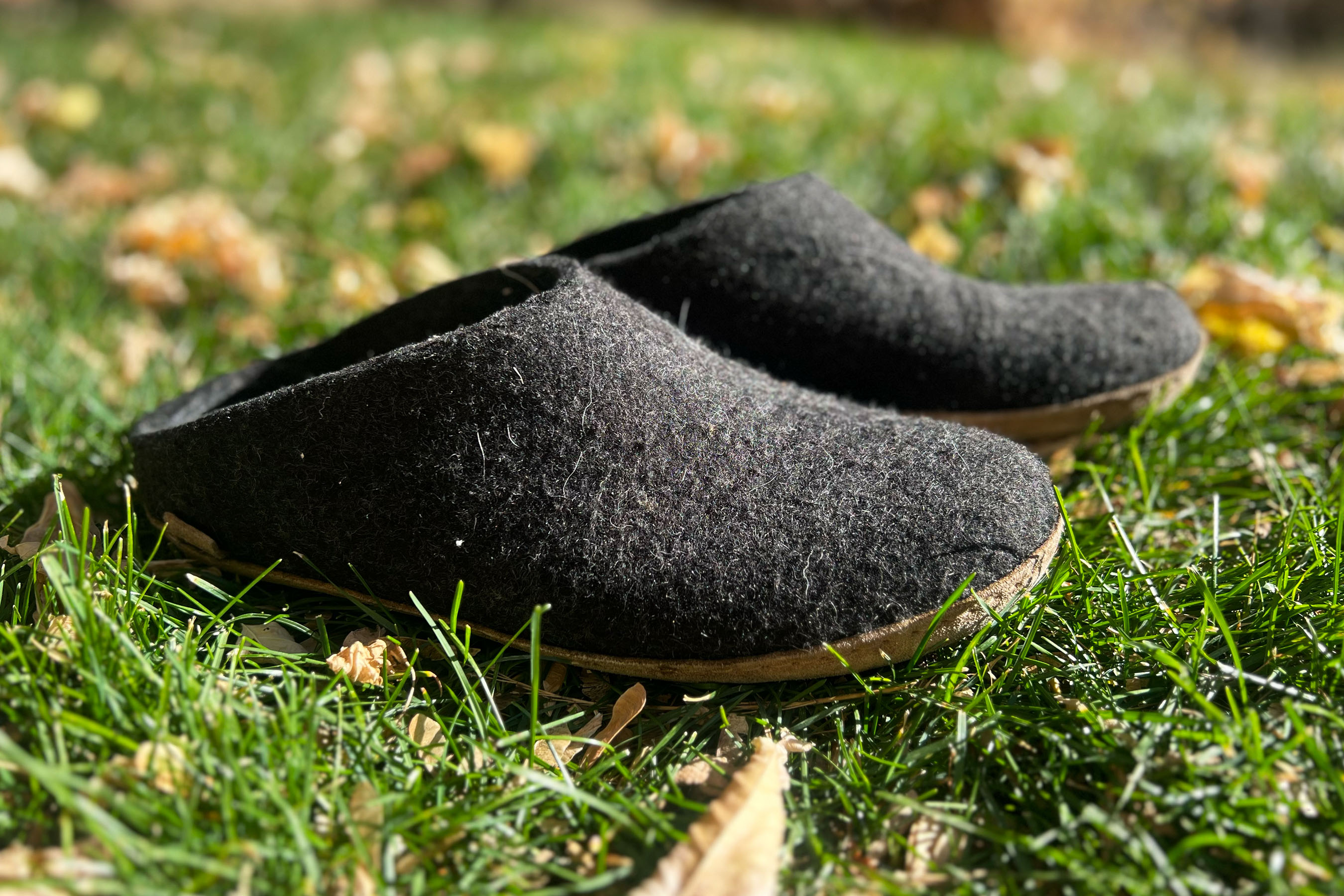
A good pair of slippers will get a lot of mileage around the campsite. So why not get a pair that will last you comfortably for years of use? Glerups is a Danish wool footwear brand slinging soft slippers that are as eco-friendly as they are warm.
Made with 100% boiled wool that’s sustainably sourced, the materials are traceable from “farm to foot,” and part of a closed-loop sustainable cycle. The soles are made with genuine leather, and the special Glerup wool mix is warm and durable without being itchy. They pack easily into a pack for a hut or backpacking trip, and they’ll get a lot of use kicking around a campsite.
No matter where you’re traveling, how you’re getting there, or what you’re doing, having a comfortable pillow for the ride is a game-changer. Unfortunately, taking your home pillow isn’t usually the most convenient option. That’s why Therm-a-Rest made its Compressible Pillows, which pack down into themselves for easy transport, and then unroll and loft up when you’re ready to catch some ZZZs.
This season, Therm-a-Rest introduced some fun new colors and designs inspired by the desert, outer space, and woodlands.
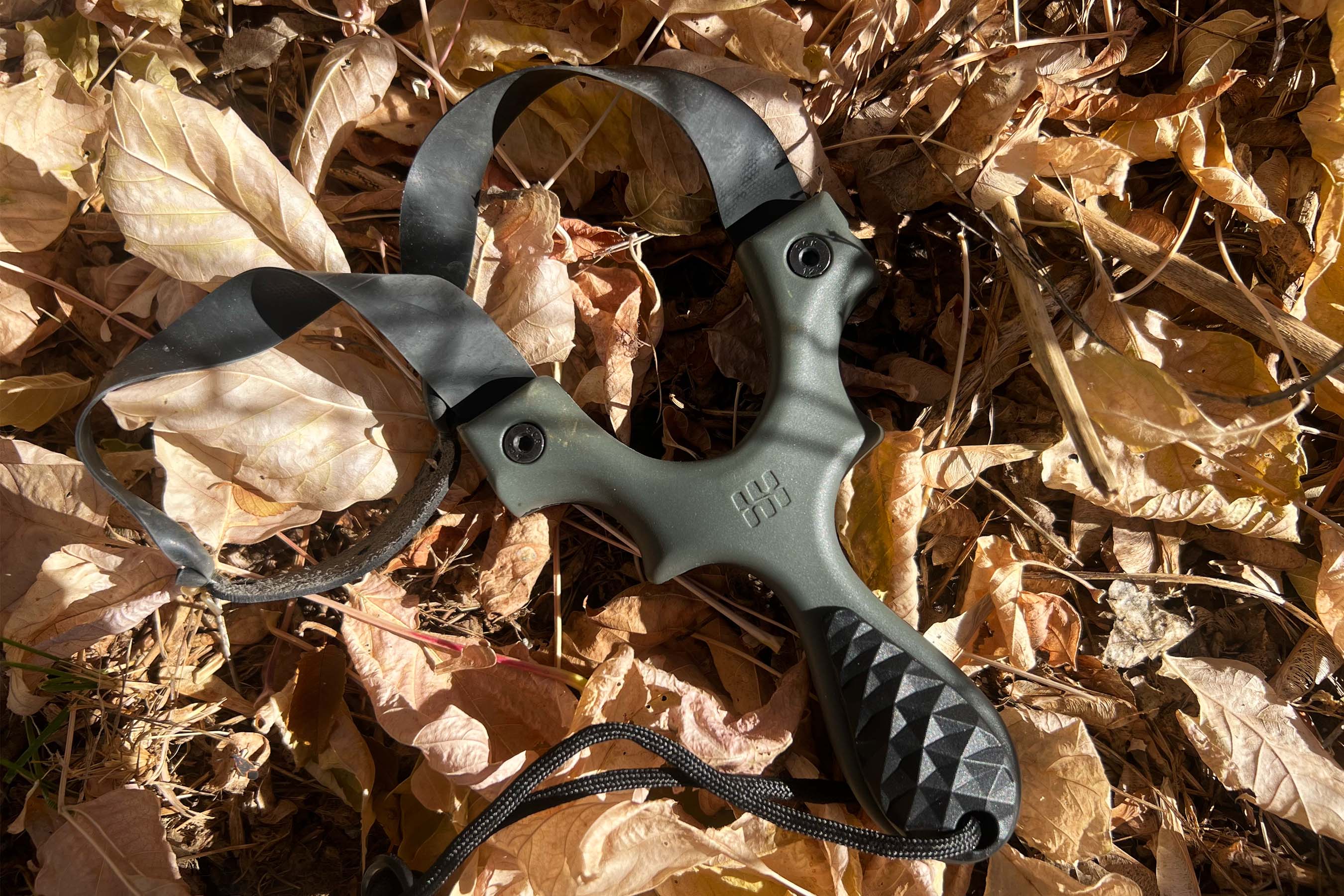
When you’re lounging around a campsite and there’s nothing to do but kill time, a slingshot becomes a form of endless entertainment. No matter how old you are, setting up some targets and plinking away is a boatload of fun.
And it’s even more fun with a really good slingshot, like the Scout LT2. This compact little weapon ain’t your grandpa’s slingshot (and it’s way better than that old wrist rocket of yours, too). With fiber optic sights on either side to help you aim, this thing can be deadly in the right hands. For $44, it’s one of the best camp enhancement gizmos you can buy.
SimpleShot also sells targets, biodegradable clay projectiles, and replacement straps.
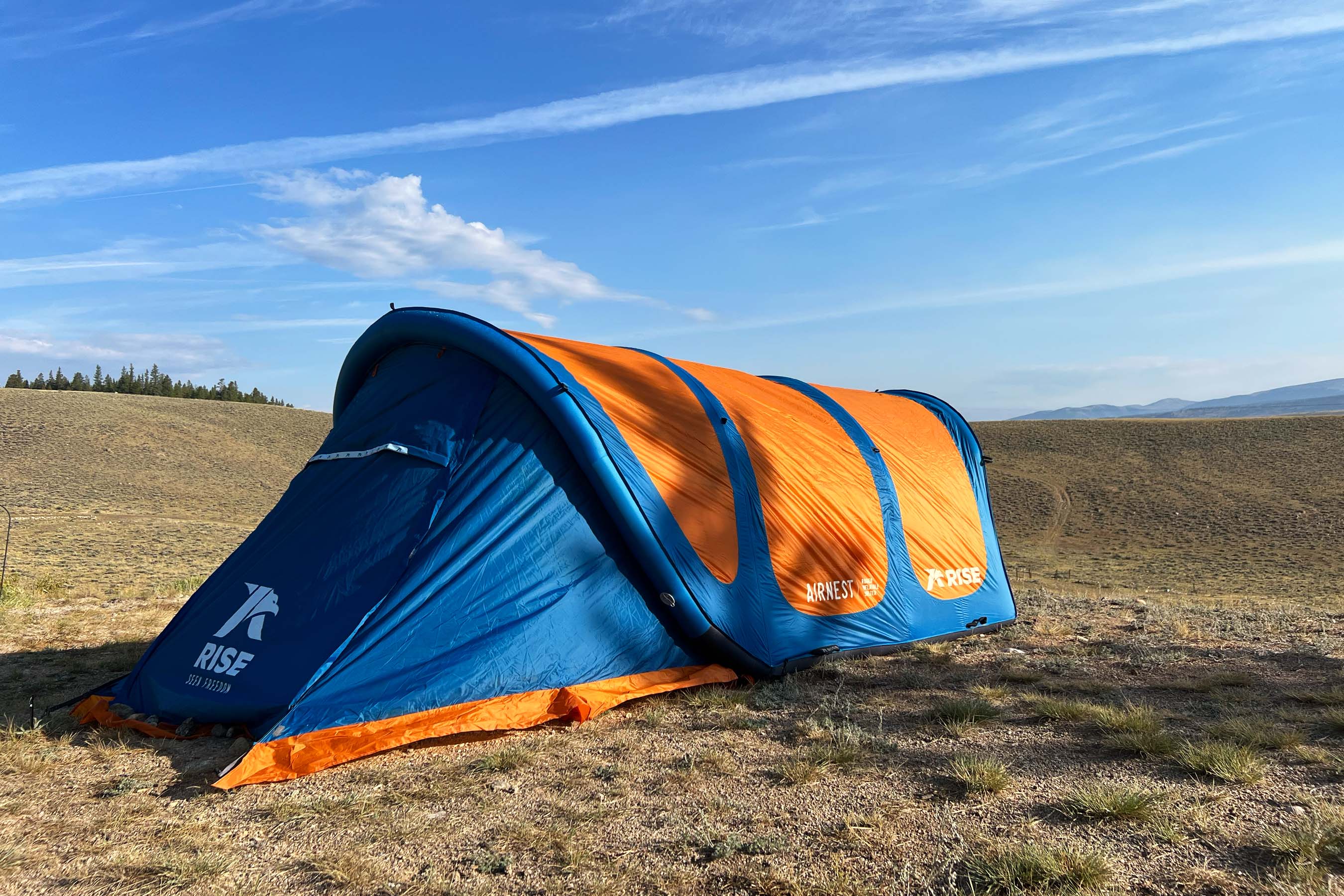
Do you ever arrive at a campsite and think to yourself, “Boy, I wish I could just hit a button and camp would set itself up”? If you have, the Rise Outdoors AirNest might be a solution to look into. This palatial inflatable tent is big enough for three people, has a massive vestibule for storage, more pocket space than you can shake a stick at, and, best of all, it sets up in minutes with just the press of a button.
It is wind- and waterproof, retains its shape even under wind stress, and has a built-in inflatable mattress that is very comfortable (although a bit noisy). It even floats if you’re inclined to take it sailing …
In our review, the tester concluded, “For families that camp together, this is a fun, durable, easy-to-use inflatable tent that adds some fun flair to any campsite.”
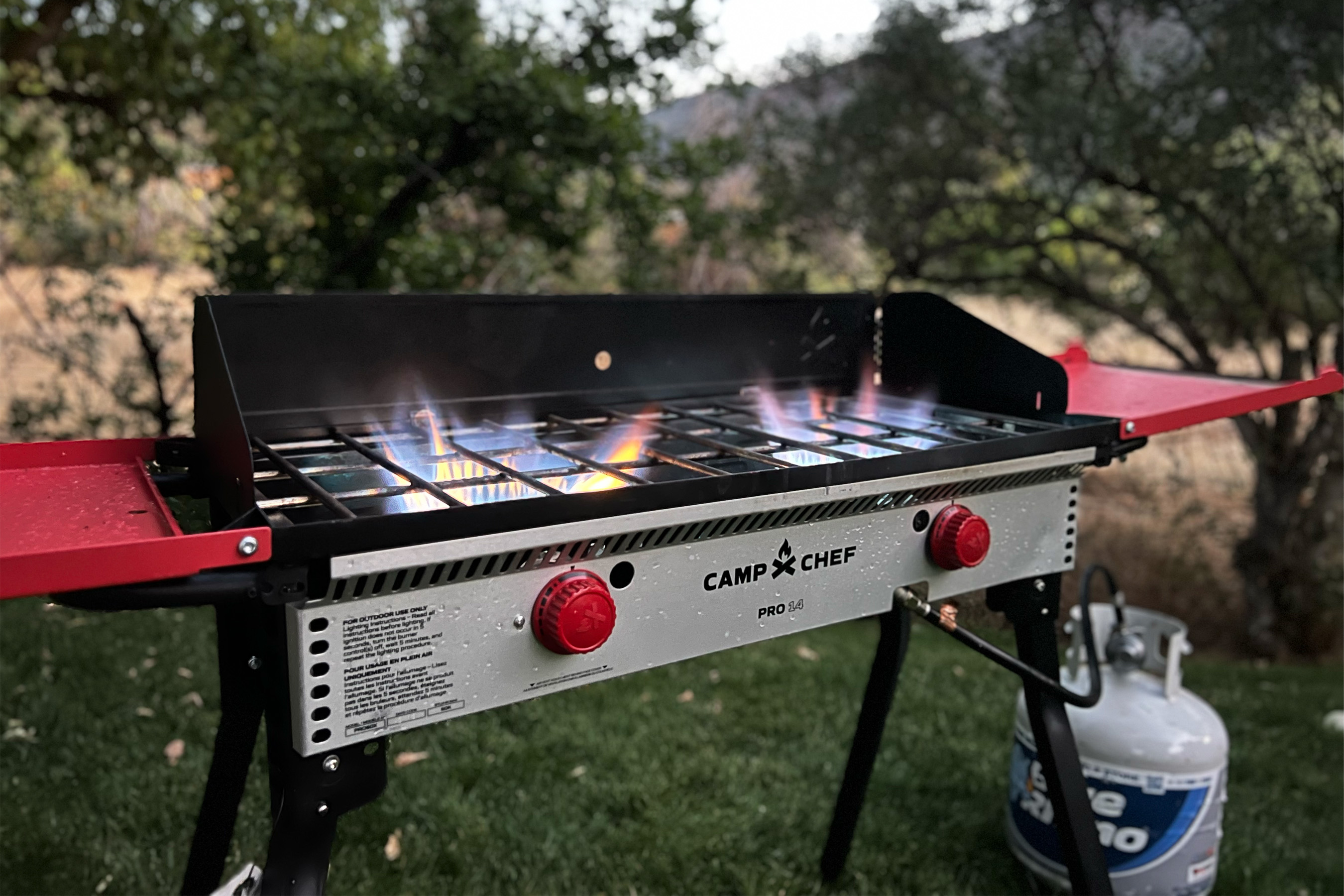
There are camp commodities you like to have around, and then there are camp commodities that you love. This is among the latter group. The Camp Chef Pro 14 stove changes everything about the camping experience. No more cooking over small flames. No more taking an hour and a half to make dinner. Gone are the days of frustrated camp chefing. With this powerful stove, anything is possible.
At least, that’s how it feels. With a griddle, grill, and pizza oven add-ons, you can cook just about anything on this two-burner stove. Especially if you’re cooking for a group or family, this stove is one of the best additions to camping gear money can buy.
Our tester concluded in his review, “If I’m car camping, and space isn’t an issue, there really isn’t a reason not to bring this stove. It’s made some amazing meals and some fantastic memories for me and my friends.”
A good camping fleece goes a long way, and as our tester found, the REI Co-op Trailmade Jacket is ready for the long haul. This midweight fleece has a classic, relaxed fit and is great for casual hiking, campfire hanging, and general campsite lounging. It’s soft to the touch, simple, and keeps you warm when temperatures start to drop.
The best part about this no-frills piece is the price. At just $60, it’s no wonder this fleece made the cut as GearJunkie’s Best Budget Fleece in our guide to the Best Fleece Jackets. For the price, you get a really high-quality piece of apparel that will last years, and that you don’t have to baby.
Everything you need to cook and serve food unpacks from this tidy bundle. This 16-piece cookset includes a pot, a sauté pan, two lids (that fit both), four plates, four bowls, a mixing bowl, a rubber hot pad, a detachable handle for the sauté pan, and a carrying case.
In his ComplEat Camp Cookset review, our camp editor said, “My car camping kitchen has never looked or cooked better.”
Crazy Creeks are one of the most widely used non-chair chairs in the world. They’re always at campsites, soccer games, park BBQs, concerts, beaches, by rivers, and anywhere people want to sit down.
The new AirCliner is the brand’s first foray into the inflatable space. With just three big breaths, it inflates, and you’ve got a comfortable sit pad. Or unbuckle the supports and lay it flat for a napping pad or sitting space for two.
Usually, backpackers have to settle for less comfortable lower R-value sleeping pads. But not anymore. The NeoLoft sleeping pad from Therm-a-Rest is an insanely comfortable pad that packs down to slightly larger than the size of a Nalgene and weighs just 30 ounces.
The NeoLoft has an R-value of 4.7 (which means it’s well insulated) and comes in regular, regular-wide, and long sizes. This is a very comfortable and warm all-season backpacking sleeping pad. It looks (and also feels) more like an air mattress.
If you want van lifestyle camping but don’t have a van, fear not. Hele Outdoors’ Hele Box is a packable, easy-to-assemble sleep platform that fits in most SUVs and trucks. It allows you to store things neatly in its case, which slides beneath it. You can buy just the platform or the platform and HeleOutdoors’ branded sleeping pad together.
See why one of our testers wrote, “The Hele Box elevates car camping to a new level of comfort” in our full review.
This bag is ultralight for backpackers, uses hydrophobic down, DWR-treated materials, and is part of NEMO’s Endless Promise Line — meaning it can be fully recycled at the end of its useful life. The Allied down can be removed and reused, and the synthetic materials that make up the rest of it can be turned into polyurethane yarn to make other products. It’s NEMO’s first fully recyclable down sleeping bag.
Gravity filters are one of the most passive means of purifying your water. There’s no pumping, no squeezing, no sucking. You just fill it up, hang it, and let the forces of physics work for you.
HydraPak’s Inline filter uses 0.2-micron hollow fiber filter threads that filter out 99.9999% of common waterborne bacteria (such as E. coli), paracytic cysts, and microplastics. HydraPak says its Inline filter is good for 1,500 L of water — which comes out to 250 full reservoir fills.
However, the most useful feature of this gravity filter is its handles. HydraPak designed the bladder with numerous handles welded to the TPU material. Those make it much easier to hang, grab, and hold this filter.
This tent exemplifies why Sea to Summit has quickly become one of this camping editor’s favorite camping brands. The versatile tent can be set up in six different ways and is packed with design features that make it a true pleasure to use. It gets additional praise for its roomy interior and ventilation.
It’s a high-quality and comfort-minded tent that’s slightly lighter than most dedicated car camping tents. That makes it a great option for a couple sharing a tent on backpacking trips and car camping trips alike. Our reviewer said, “The Ikos TR3 might just represent the future of lightweight family camping shelters.”
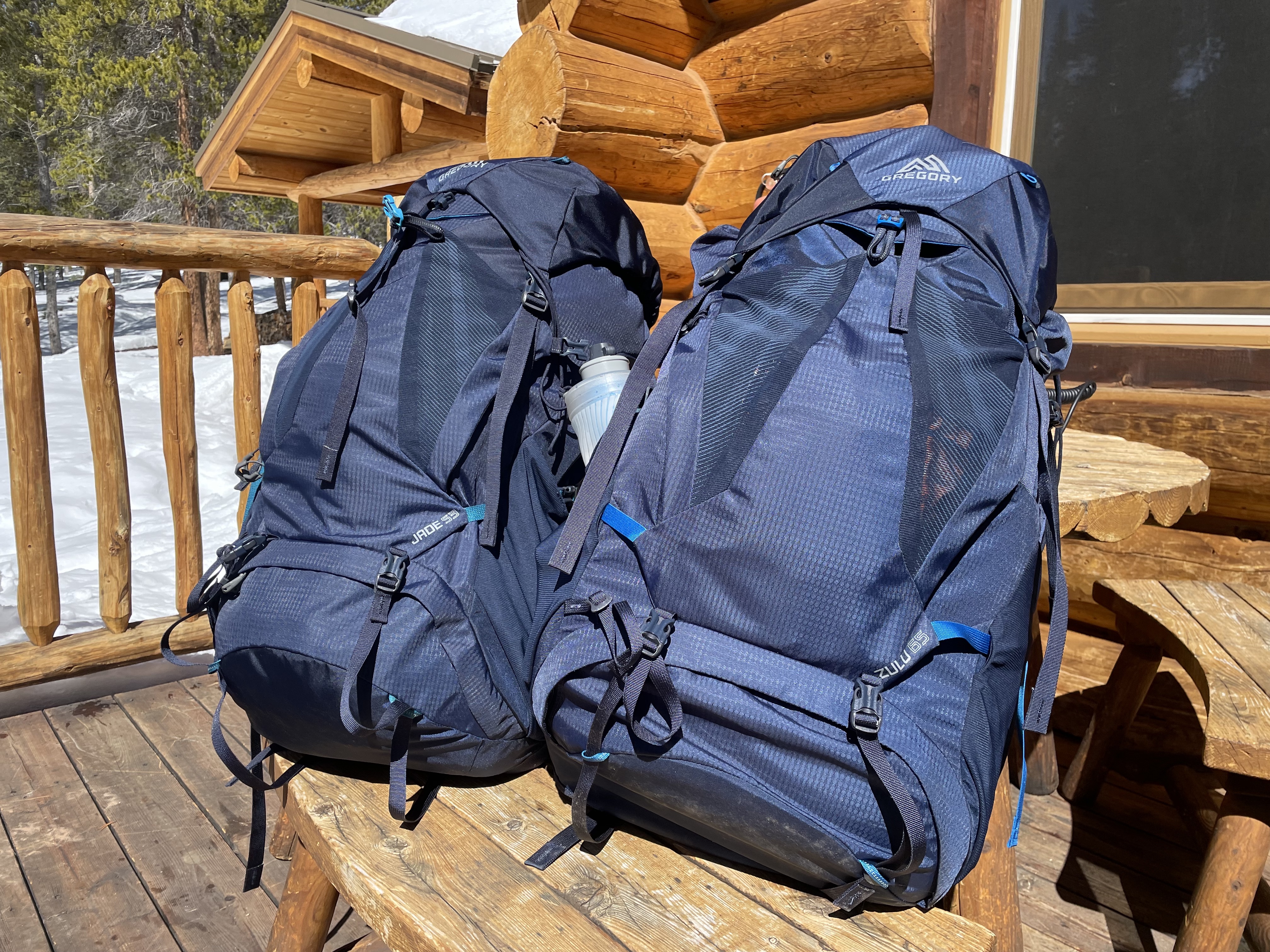
Gregory’s Jade and Zulu (women’s and men’s) backpacks utilize a FreeFloat dynamic hip-belt that allows the packs to pivot and flex with the wearer’s natural gait for a far more comfortable, energy-saving experience. It also has a suspended, adjustable back panel offering plenty of ventilation that can be sized specifically to your torso length.
It has six external pockets, front and bottom access zippers, a sunglasses “QuickStow” loop on the shoulder, adjustable attachment loops, upper shock locks for trekking poles or ice axes, and more. Our full review has more details.
Gregory also makes these packs in a range of volumes for men and women — from as small as 28 L to as large as 65 L. So, no matter what size Zulu you need, Gregory has you covered.
When it was released in 2005, the AeroPress was a coffee sensation. It became a favorite among campers and coffee snobs, both of whom found the nifty little plastic invention ideal for making delicious single cups of coffee.
Well, now the brand is introducing its AeroPress premium. It has the same design, yet it’s made of metal and glass. Read our full review here.
EXPED is known for making technically designed, high-quality sleeping pads of all kinds, sizes, weights, and warmth. But the MegaMat Auto is easily a favorite. It is 4 inches thick, has an R-value of 8.1, and is rated at -40 degrees Fahrenheit. Most importantly, though, it’s built for use in a vehicle.
This pad fits perfectly inside compact SUVs, station wagons, and midsize trucks when inflated. When deflated, it rolls up (to 27.6 x 11.8 inches) and fits inside an included carry bag. The MegaMat Auto ($400) can live in the back of your vehicle for camping. Or, you could conceivably travel with it on an airplane and turn any vehicle you rent into a hotel room on wheels.
Time-tested and backpacker-approved, the MSR Pocket Rocket stove is one of the best backpacking gifts money can buy. It won’t break the bank at $85, and it’s insanely useful.
These little jet engines take up less space than a granola bar in your backpack, weigh just 2.6 ounces, and can boil a liter of water in just 3.5 minutes. It also has a nifty piezo igniter, so you don’t have to fuss with a light or match to get a flame.
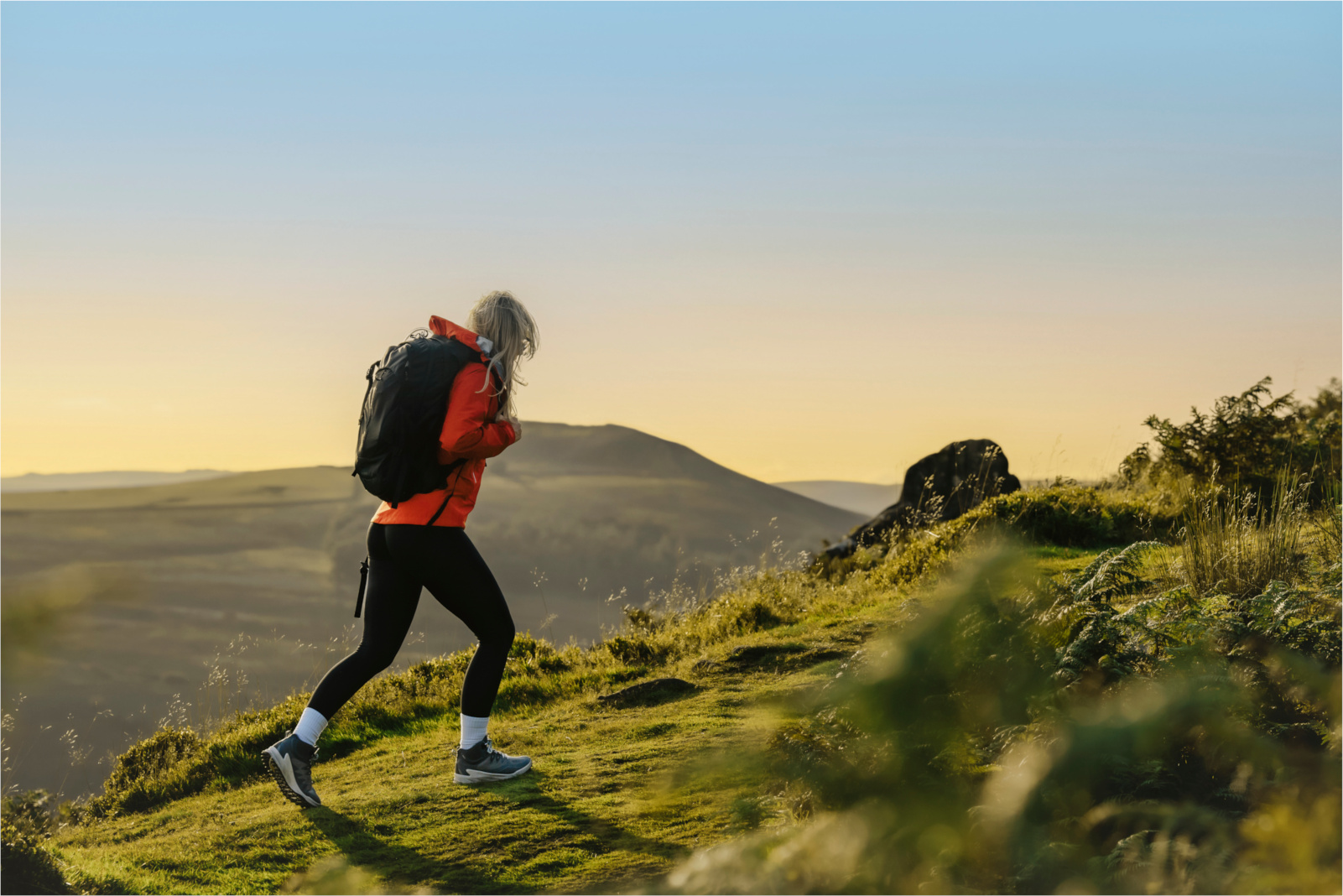
Designed to be light on the foot and agile on the trail, KEEN’s Zionic waterproof hiking boots and shoes work to bounce between time on the trail and hanging back at camp.
The Zionic line has an aggressive, studded lug pattern for better ground contact on any terrain. An athletic profile targets better support when moving fast, while the underfoot stability plate and high-energy foam work to create a springboard effect.
With recycled ripstop uppers, durable overlays, and PFAS-Free waterproof protection, Zionic Waterproof Hiking Boots and Shoes are built to stand up to the elements. Choose from two designs: a classic hiking boot and a low-profile hiking shoe — each with multiple color options for men and women.
As with any gift, when you’re shopping for the best gifts for camping, you should consider what the person you’re buying it for likes to do. Do they go on long backpacking trips? Or do they car camp more often? Are they overlanders? Do they spend a lot of time outside somewhere it’s consistently rainy? Or do they like to explore hot, dry deserts more often?
The answers to questions like those will help direct you to the right section of the store or website.
The great thing about gifts for people who camp is that most of them are multifunctional. A rain jacket can be used for hiking, biking, skiing, and around town. Folding tables are useful for campsites, tailgate parties, and picnics, as well as workstations for cooking, cleaning, or building things.
A sleeping bag will come in handy on backpacking trips, camping trips, hut trips, and (for kids) sleepovers. And binoculars are handy anywhere you take them. These are very functional, versatile gifts.
A quick Google search of a product never hurts, either. Gear reviews (like ours, which are linked throughout this guide) or discussion forums (like Reddit) will have a lot of extra information on any given item. It also never hurts to ask someone if you’re at a physical store.
Why You Can Trust Us
(Photo/Will Brendza)
Our camping editor has been camping and backpacking since they were too small to walk and has been writing about the outdoors for over half a decade. The same is true for many of our contributors.
And still, every single year, we struggle to come up with gift ideas when it comes time for the holidays. Even we rely on guides like these for direction and inspiration — especially for less familiar activities or products.
With that in mind, the gifts included in this guide have been tested and loved by GearJunkie editors and testers alike. None of these were random inclusions. The aim was to round up a mix of products that are functional, multiuse, and spanned price ranges to include something for every budget. Generally, we just packed this guide with cool products we would be stoked to receive as gifts.
And even if you don’t find the perfect gift listed here, hopefully, there are a lot of ideas to get you started shopping for the best gifts for camping.
It’s a good season to have a sweet tooth. With Halloween over, there’s leftover candy galore to graze on (and plenty more discounted if you run out). Around the corner is Thanksgiving, with its promise of pecan and pumpkin pie. And then it’s on to December and the long haul to holidays, with Christmas cookie exchanges, hot cocoa, and fruitcake if you dare. (You should.) If, unlike us, you need an excuse to get sugared up, you won’t find a better one than this.
In honor of this, the sweetest season, we’ve pulled together 25 of our favorite trail-ready dessert recipes we’ve ever published. Some are made to roast over the campfire (as always, check restrictions before you light up). Others you can make with just a camp stove; a few cook up at home and are hardy enough to survive being packed in. All of them will make your meal.
You deserve a little variety in your life. Ditch the chocolate-marshmallow mix for these seven desserts, which run the gamut from full-on baked goods to campfire-toasted spiced fruit. Our personal favorite: the backcountry tiramisu, which mixes pudding, espresso powder, ladyfingers, and a kick of Kahlua for an easy dessert that does a passable impression of the real thing.
Just to be clear, though, we do love s’mores. These 11 seasonal variations are a refreshing take on the old standard. There are a lot of good options in here, from eggnog s’mores to a vegan alternative. But in our opinion, the standout is the Dark ‘n Stormy, which mixes chocolate-covered candied ginger, ginger cookies, and a rum-soaked marshmallow for a new take on the classic tipple.
Ready to go full haute cuisine? This is how you do it. Tart cherries, coated in brandy and sugar, then briefly set on fire and then served on a cream-cheese-slathered tortilla are a delicious spectacle.
No campfire? No problem. I’ve sung the praises of this, my go-to backpacking dessert, many times. That’s because it’s basically impossible to mess up and goes with almost anything. The trick: you heat up the marshmallows and chocolate in a water bath, evenly warming them without burning the ingredients or scorching your pot.
Short on time? No problem here. You’ll need very little of it—5 minutes, specifically—to put together these four innovative end-of-meal sweets. They’re all good, but we can’t get enough of the coconut-mango rice pudding.
A two-ingredient banana boat, prior to cooking (Photo: Adam Roy)
One banana. One candy bar. One spoon and one set of taste buds: That’s all you need to enjoy this dead-easy backpacking dessert. Alternate banana and Snickers pieces and cook them right in the peel, directly on the coals, for a sweet and vegetarian treat.
Yes, you could survive on plain ramen and energy bars. But backpacking is a leisure activity, something you do willingly in your free time to decompress and make memories. Shouldn’t you be able to enjoy your meals?
Here at Backpacker, we love a good camp meal. Sometimes that means shelling out up to $20 for gourmet freeze-dried grub—find our favorite picks here. But more often, it means getting creative and doing it ourselves. We dove deep into our archives in search of easy, affordable recipes that bring tons of flavor without requiring crazy prep or crazy money, and came up with these 18 Backpacker-tested meals. Inflation be damned: Each of the following costs $3 or less per serving, and none requires a culinary degree to pull together.
Forget long ingredient lists or complex prep: You can make these delicious recipes from Jennifer Bowen, which range from comfort food to superfoods, with just a trio of ingredients. Top pick: Lemony Salmon Noodles ($2.17 per serving)
Oatmeal is one of the classic backpacking breakfasts for a reason. (Photo: oixxo / iStock via Getty)
Do you think of oatmeal as a gluey, unappetizing breakfast of last resort? Then you need to learn to cook it better. We’ve rounded up 10 simple oatmeal combos that start with a single packet of unflavored oatmeal and add in easy-yet-tasty mix-ins to take it to the next level. Top pick: Orange Apricot Hazelnut Oatmeal ($1.38 per serving)
Breakfast ramen is an easy, delicious way to start your day on the trail. (Photo: Andrew Bydlon)
This one is a personal favorite: Ramen and eggs is the best camp breakfast there is—and a strong contender for best camp lunch or dinner—and you will not convince me otherwise. Freeze eggs in a Nalgene for a first-day meal, or go for powdered eggs to make your meal lighter and shelf-stable. $1.34 per serving
Angel hair pasta (Photo: Candice Bell / iStock via Getty)
From angel hair to couscous to fettuccine, these pastas feel gourmet but come together in less time than it takes to rehydrate a pre-made meal. Tip: You can turn any of these into a boil-in-bag meal by precooking and dehydrating the pasta at home (it’s easier than it sounds). Top pick: Raisin and Nut Curried Couscous ($2.52 per serving)
When it comes to adventure travel, Peru is, in a word, legendary. And it’s no wonder. With iconic historic sites, natural wonders from peaks to rainforests, celebrated culture and food, and a commitment to sustainable and responsible tourism, Peru has it all.
Kick off your journey in the capital city of Lima. While Lima is the largest urban center in Peru, it’s also a hub of outdoor activity and adventure. With its easy access to the Pacific Ocean, the city serves up an abundance of opportunities to surf and paraglide. The coast along the Miraflores neighborhood is ideal for its waves and winds, as well as vibrant culture, food, and people to enjoy after your sesh.
The Miraflores neighborhood offers a wealth of culture, food, and outdoor adventure. (Photo: PROMPERÚ)
Looking for an off-the-beaten-path paradise for trekkers? Head to Ancash. Situated high in the Andes Mountains, the stunningly vast Ancash region offers adventures for all levels of climbers, trekkers, and mountaineers. Explore Huascaran National Park, home to the eponymous peak. The climb is categorized as AD, or moderately difficult, and usually takes five to seven days. At 22,205 feet, Huascaran is Peru’s highest mountain and belongs on every mountain lover’s list. Not interested in bagging peaks? Take a hike to one of the icy-blue glacial lakes that pepper the region.
The Ancash region offers epic trekking, mountaineering, and camping. (Photo: PROMPERÚ)
In the north of Peru, you’ll find Amazonas: a region rich with biodiversity as well as a diversity of culture and history. The Gran Vilaya Trek weaves a tapestry of natural and cultural wonders, winding through more than 30 miles of ancient cloud forests and pre-Incan archaeological remains. On this three-to-four-day trek, learn about the lesser-known Chachapoya culture along the way. You can also opt to trek to the stunning Gocta waterfall, a 6.4-mile hike to a cascade that plunges more than 2,000 feet.
The trek to the Gocta waterfall is one of many epic hikes in the Amazonas region. (Photo: PROMPERÚ)
Then there’s the iconic Amazon Rainforest in the region of Loreto. While you might associate dense jungles and mazelike river systems with neighboring countries like Brazil or Colombia, you’ll find the same mesmerizing landscape in the northeast of Peru. It’s also a wildlife lover’s paradise. Explore Pacaya Samiria National Reserve, the second-largest protected natural area in Peru, with more than 1,000 endemic plant and animal species. Float the most iconic river system in the world and feel a connection with nature that can only be found in remote places like these.
Loreto offers some of the greatest biodiversity in the country. (Photo: PROMPERÚ)
Southern Peru boasts regions like Puno and Cusco that offer a breadth of culture, history, and adventure in the Andes. Machu Picchu is just the start in this magical region. Choose from a number of iconic treks that access archaeological sites, like the Inca Trail and Lares, or fill your bucket list with lesser-known trails to really lose yourself in the region. Or check out the birthplace of the Inca Empire in Puno and kayak in the world’s highest navigable lake, Lake Titicaca.
Cusco offers countless treks and adventures beyond the popular hikes around Machu Picchu. (Photo: PROMPERÚ)
Whatever you do in Peru, expect an adventure that weaves together ancient civilizations and modern culture, all set among some of the most breathtaking terrain in the world. Today, Peru blends its rich past with an eye toward the future, aiming to preserve this cultural and natural wonderland for generations of adventurers to come.
Peru is a multicultural nation filled with unique traditions, world-class gastronomy, and vast natural reserves. It is home to 12 UNESCO World Heritage Sites and 84 of the planet’s 117 life zones. Peru’s enormous territory, covering more than 1.2 million square kilometers, is composed of three regions: Coast, Andes, and Peruvian Amazon.
The following recipe for Scrambled Eggs With Green Peppers is from The New Butterick Cook Book, copyright 1924, now in the public domain. That is one of the many bonus books included in the 2005-2025 20th Anniversary edition of the waterproof SurvivalBlog Archive USB stick that will be available in February of 2026. Ingredients 8 eggs 3 tablespoons cream Salt and pepper 2 sweet peppers\ 3 tablespoons butter or butter substitute Directions Beat the eggs slightly, adding the cream, salt and pepper. Heat the butter or butter substitute, and when hot add the eggs. As the eggs begin to cook, …
hen scientists first discovered a higher-than-expected concentration of microplastic in New York’s Lake Tear of the Clouds, often described as the highest source of the Hudson River, they initially attributed the findings to airborne deposition. But follow-up research this year points to a different source for the contamination: hiking shoes and clothing.
The concentration of microplastic particles, which are harmful particles ranging from 1 micrometer to 5 millimeters in size, poses significant threats to the environment by contaminating ecosystems and disrupting food chains. ...
This morning I woke up to the feeling of the tent walls closing in on me. I opened my eyes and realized that they were starting to sag inward. Because the tent walls were covered in so much sleet and snow! I shook them off and the tent expanded magically. It was currently raining or sleeting still, and had clearly accumulated to some degree. I was so glad to be in Sprinter’s tent though, and to not have to worry about packing mine up, ...
Almost all of us are afflicted with one of these climbing disesases, and sadly, many of these go undiagnosed and untreated. Every day, at crags around the country, people are climbing with the burden of an unchecked, treatable illness. It’s a national tragedy.
Thankfully, with better medical technology and improved diagnostic abilities, we’re now able to identify these diseases in their early stages. But we still need your help. Our hope is that this document may raise awareness and help prevent needless suffering.
Onsightis
This condition generally presents as obsessiveness with the act of climbing every route on the first attempt, every time. Mild onsightis does not often cause the patient any discomfort and can actually be seen to provide some modest benefits, however it has been known to suppress redpoint grades in chronic sufferers.
Signs and Symptoms
Noticeable lack of enthusiasm for repeated attempts
Demanding/needy, especially at new crags
Resistance to attempting overly difficult routes
May display aggression toward unwanted beta in advanced cases
Treatment
Gentle application of harder routes for the purpose of stimulating the red and pinkpoint glands.
Cragger’s Malaise
Just like the common cold, this common climbing disease is surprisingly rampant for the simple fact that prevention is so difficult. Little is known about the causes of cragger’s malaise and its effects can be shockingly debilitating, leading sufferers to view climbing as more of a social pursuit than an athletic one.
Signs and Symptoms
Overly chatty
Maximum of 2-3 routes in one session
Patient displays preference for beer over climbing
Usually accompanied by low level of skill or ability
Treatment
No definitive cure exists. Most professionals recommend tolerance rather than intervention. Occasionally resolves without treatment.
Obsessive Tick-Listive Disorder
Also known as “Buzzfeeding,” damage to the right mesial prefrontal cortex can result in abnormal collecting behavior. In the sport of climbing, this lends itself to list-ticking and peak-bagging, practices which value completion of an arbitrary list over objective quality of the routes contained therein.
Signs and Symptoms
Patient climbs horrible shit for no good reason
Often accompanied by shameless guidebook fetish
Acquired choss resistance and skewed risk acceptance
Treatment
An immediate course of crags with horrific rock quality or protection
Most cases will be resolved with a one-time application of loose Eldorado Canyon “classics” or Fisher Towers mud climbing.
Boltulism
Doctors and scientists have been unable to reach consensus on a definitive explanation for this very unenjoyable climbing disease. High-functioning patients have been known to produce many quality routes, despite the odd squeeze or contrivance, whereas severe cases can manifest in full-blown grid-bolt mania. All patients are grouped by the overwhelming desire to “get their name in the guidebook.”
Signs and Symptoms
Often financially unstable due to hardware purchases
Observes “phantom lines,” a condition similar to colorblindness, in which vague and spurious routes are reported by the patient.
Often results in link ups.
Sometimes narcissistic
Places bolts in unstable geological formations
Treatment
Removal of drill privileges, followed by bedrest
Partneraphobia
Essentially a condition which results in anti-social tendencies, mild cases often present as a preference for “exploratory missions” to “scope lines” and “check conditions” in wilderness areas, in which partners are not invited. However, if left untreated, this disease can lead to some really weird shit like bouldering alone and rope soloing.
Signs and Symptoms
Patient avoids human contact
Unexplained disappearances
Strong odor, questionable hygiene
Often found in possession of unusual gear, including but not limited to traction devices and aid gear
Treatment
Gradual reintroduction to social stimulus and bathing
Proven effective if paired with a high-quality single-pitch cragging experience
Human Projecting Virus (HPV)
It has been hypothesized that HPV was spread to humans through contact with bats. Proponents of this theory argue that this is the reason for which HPV sufferers tend to spend a majority of their time in caves, flapping their arms about in a sort of interpretive dance known as “sequencing.”
Signs and Symptoms
Pallid appearance and engorged forearms
Fixation/obsession with a single route. Can often last months, sometimes years
Exposure to multi-pitch adventure routes where prior inspection is impossible.
Prescription of a broad-spectrum ticklist which can remedy deficiencies such as slab and crack
Malignant Ego
Inflammation and swelling of the ego can lead to an inflated opinion of oneself. If left untreated, the inner asshole will expand and devour other elements of the patient’s character. Among climbing diseases, this one is considered highly contagious.
Signs and Symptoms
Holier than thou
Toothy appearance, snarls often, occasional frothing at mouth
Unable to refrain from unsolicited beta-spraying
Calls all your hardest ticks “soft for the grade”
Denigrates every style of climbing except for their own
Treatment
Patients will need to undergo a delicate medical procedure where their head will be removed from their anus.
Chronic Overseriousness
If you find yourself offended by any of the above descriptions, you may be suffering from Chronic Overseriousness. It may be possible that you’re taking climbing too seriously.
Signs and Symptoms
Offense taken
Currently limbering up fingers to launch a blistering social media tirade
Often found in comments sections of websites/social media
Sufferers tend to insist that climbing is not a “sport,” but a “form of self expression”
Treatment
Chill out
Get off the Internet and go outside
If you observe any of these symptoms in your friends or in yourself, don’t delay. Consult your crag doctor as soon as possible. Together, we can beat common climbing diseases.
The following two-day recipe for Barley and Pork Hocks is from SurvivalBlog reader Richard T. Equipment: A small cast iron pot, a soup pot, and a rectangular glass cake pan (or a similar pan). Ingredients Two fresh pork hocks ½ cup of barley grain ½ cup of white vinegar Cayenne or hot pepper flakes (to taste) Pepper (to taste) Salt (to taste) Directions Day one: Simmer a couple of fresh pork hocks in ½” of water in a lidded cast iron pot for half a day until the meat can be separated from the bones. Refrigerate overnight. (The extracted bones …
For the next three weeks we’re sharing the finalists from the Paddling Kids Story Contest. Read their stories and vote for your favorites to crown a winner! Comment below, or like and comment on Facebook and Instagram to register your support (maximum one comment per week per user). Voting for “San Juan Madness” is open […]
For decades, Grey Owl Paddles has been a fixture in canoes across Canada. Now, as the brand marks its 50th anniversary, it’s found a new home. The acquisition is the perfect off-season match to complement an already thriving hockey stick manufacturing business, says new owner W. Graeme Roustan, executive chairman of Roustan Sports Ltd. Grey […]
We awake early in the tent, mentally prepared for the daunting crossing of the Sermilik Fjord. My partner, Julie, and I dismantle the polar bear perimeter guard, grab the rifle and walk out to our launch point to reassess the crossing. Chris Christie dodges icebergs in East Greenland The marine fog is burning off, revealing a […]
Every year, tents get lighter, stronger, and more sustainable. The newest batch of three-season shelters is no exception, with spacious, feature-packed options for an entire family, bombproof fortresses for pushing into the fourth season, and affordable designs for the occasional weekend warrior. The nine winners of this year’s exhaustive testing process proved themselves over and over in wind, rain, and even snow.
On a backpacking trip, your campsite is the destination of the day, even if you stop to swim in an alpine lake or take in a scenic overlook along the way. It’s where you’ll cook dinner, organize your gear, and rest for the night, so you want it to be just right.
When you come across a promising spot, you’ll want to consider a few factors before pitching your tent: bugs, wind direction, wildlife paths, water sources, drainage, shade, and other factors all influence your comfort. We combed hiker forums, talked to hiking buddies, and applied our own experience to create this guide that will help you choose the perfect backcountry campsite.
Level, cleared of debris, and previously impacted
Before you unclip your pack and call it a night, know the lay of the land. In some backcountry areas, especially those that require a permit, camping is limited to designated spots. Consult a guidebook or chat with a ranger to find out where they are.
If no restrictions exist, tread lightly. Look for a spot that shows signs of prior use: a level patch of earth cleared of rocks, sticks, and other debris, or maybe a ring of stones if fires are allowed. These subtle signs tell you you’re not the first to pitch a tent there, and choosing a previously impacted site helps preserve the surrounding wilderness for the next hiker who comes through.
Close to a water source—but not too close
Camping near water mostly makes life easier. Nobody enjoys hauling H2O over long distances or hiking down a steep gully to refill their hydration bladder. It’s more convenient to have a source close by for drinking, cooking, cleaning dishes, and even cooling off. Plus, it’s scenic.
However, camping too close to a lake, river, or stream can harm fragile ecosystems and pollute the water. Leave No Trace recommends setting up camp at least 200 feet (about 70 adult steps) from any natural water source. This buffer protects riparian vegetation and prevents runoff from camp activities—like washing dishes or brushing your teeth—from entering the water. It also respects to the wildlife that depends on the water.
Another reason to leave some distance between you and the shore: mosquitos. Standing water, damp ground, and dense vegetation make the perfect breeding ground for bugs. The view might be better directly lakeside, but the bugs will be biting.
Decent drainage and air circulation
That flat spot nestled in the wildflower-dotted meadow? It might look like a dreamy place to camp, but low-lying areas like depressions, hollows, and valleys often collect water. That’s bad news in a thunderstorm or even a steady drizzle. Also: bugs.
But even if rain isn’t in the forecast, cold air tends to sink and settle in those pockets, meaning you’re liable to end up shivering and wake up to condensation in your tent.
Instead, seek slightly higher ground, where it’s more likely that water will run off, air will circulate, bugs will get blown away, and the sunrise will find you early.
Out of the sun and wind, and under the trees
A site with a bit of elevation is almost always better, but venture too high and you’ll trade comfort for exposure. Above the treeline, there’s no escaping harsh sun, strong wind, and other elements. (Note that this is pretty much unavoidable if your route takes you high into the alpine.) Look for spots with a natural windbreak, like big boulders, a small rise, or clusters of trees—live trees, no widowmakers—to keep your tent from flapping in the wind all night.
Tree cover also casts shade that prevents your tent from baking inside during the day and materials from deteriorating in UV rays. And if and when it rains, branches can deflect a surprising amount of water, keeping the ground beneath you drier than you’d expect.
Far enough away from others
You’ve found your perfect spot, but as you settle in, you see a group of backpackers searching for theirs. They barrel over toward you and, without even acknowledging your presence, drop their bags and pitch their tents. Then they’re loud all night. Don’t be those people.
Giving other campers space goes a long way toward preserving the quiet, solitude, and sense of wilderness everyone came for. If there’s truly nowhere else to go, explain your situation and ask courteously—it’s amazing how far a little communication can go.
It’s also a good reason to get to camp early. The earlier you arrive, the more options you have for a private, low-impact site—and you’ll have time to settle in before dusk, when the best spots are often taken.
We interrupt your pre-Halloween planning for this very important news flash:
Despite the prevalence of sunshine and unseasonably balmy conditions in many corners of the country, it is, indeed, lateOctober. This means that Mother Nature can kill you with one wave of her magic wand.
High on the side of America’s tallest mountains, there’s wind, rain, ice, and yes, lots of snow. And alas, a number of Americans are learning the hard way that sunshine and mid-fifties in the high country can quickly become a life-and-death situation.
The latest example of this comes from the San Juan Mountains in southwestern Colorado. On Thursday, October 23, the Hinsdale County Search and Rescue team received a call that two motorists were stranded high on the side of Engineer Pass. A snowstorm had blown in that afternoon, and despite the weather report calling for a blizzard, the jeepers had continued up the route and gotten stuck in two-foot snow drifts.
A jeep is horribly stuck in snow (Photo: Hinsdale County Search and Rescue)
For those unfamiliar with Colorado’s geography: Engineer Pass is a gorgeous if extremely rugged ATV route connecting the towns of Ouray and Lake City. Jeepers, overlanders, and pickup truck enthusiasts drive their four-wheeldrive vehicles up and over Engineer Pass throughout the summer while completing the so-called Alpine Loop.
This corner of the state is known for the occasional mishap on four wheels. Let’s just say that the tourists keep the local sheriff and towing companies busy throughout the summer.
Anyway, Engineer Pass tops out at 12,800 feet above sea level. This is not the elevation you want to be at when a late-October blizzard rolls through.
There’s a jeep somewhere around the bend (Photo: Hinsdale County Search and Rescue)
Luckily for the motorists, rescuers sprang into action and were able to reach them. They got to the duo—a father and son—at about 10 P.M., and were able to bring both of them to safety. But only after they snapped a few amazing photos of the beleaguered jeep stuck up to its axles in snow.
Look, I get it, it’s still sunny out and we all want to go drive over high mountain passes, and climb high peaks. It’s still worth reminding everyone that the scorching rays and summer vibes this time of year can change at the drop of a hat. Just ask those 20 hikers who were rescued from the flanks of Mount Washington on October 25.
According to the Colorado SAR teams, the jeep drivers on Engineer Pass were from Florida. I’m sure it was plenty warm there.
As a thru-hiker and medical professional, wound care and bleeding control are two of my first aid priorities on the trail. By the numbers, the most common non-athletic trail injuries are soft-tissue wounds and subsequent infections from inadequate wound care. Proper care requires managing any bleeding, cleaning, and then dressing a wound. Wound care is part of my risk management planning when I prepare for any trip into the backcountry as a recreationalist or a group leader.
I took my first Emergency Medical Technician (EMT) course in 2008. Then I worked a variety of healthcare jobs over the next decade, ranging from critical care to primary care and family practice. When I started backpacking in 2017, it became clear that everything I learned from my healthcare career would still be of use in the backcountry.
In 2023, I took the month-long wilderness EMT (WEMT) course in Lander, Wyoming, with NOLS. The added backcountry dimension to my prehospital healthcare education has greatly influenced my preferences for my current first aid kit. In addition to the wound care essentials listed below, I always carry a tourniquet—and encourage all backpackers to learn how to use one.
The Best First-Aid Tips, According to a Wilderness EMT
When I teach Wilderness First Response courses, students often ask what I carry in my pack. Here’s what I recommend.
Personalize Your First Aid Kit
First, I emphasize that everyone’s first aid kit should be personalized, because what works for some may not work for others. I’ve found that the typical retail first-aid kits are generic and don’t quite meet my needs.
Assess Your Risk of Getting a Wound
Next, I run down what I carry through a risk management lens. This means I balance the likelihood of a particular injury or illness with its consequences. It is a complicated formula that includes variables such as the weather forecast or how far I will be from definitive care.
Over time, and after thru-hiking a few long-distance trails, I’ve struck a balance in what experience has taught me are non-negotiables versus what I desire for a baseweight.
Bring Sterile Gauze and an Irrigation Syringe
I always recommend carrying some sterile 4×4 gauze pads and an irrigation syringe. These are lightweight tools and useful to everyone for bleeding control and wound care, regardless of activity or skill level.
For most bleeds, the first step is to apply pressure with a sterile gauze. That same gauze will become your initial dressing for the wound. Sterile gauze helps with infection control. However, if you have to treat bleeding and you do not have sterile gauze, infection risk becomes a secondary concern, and you should apply pressure with whatever is available.
During cleaning, flushing wounds with filtered water using an irrigation syringe is essential to preventing infection. The benefits of an irrigation syringe compared to other syringe sizes are its ability to deliver precise force into a wound, which does most of the work of removing dirt and debris.
What About Antibiotic Ointment?
Antibiotic ointment isn’t very helpful, in my opinion, because it doesn’t actually do much to prevent infection—irrigating the wound does most of that work. To ward off bacteria, change the dressing whenever it becomes really dirty or wet, or at least once a day.
How to Deal with Bloody Wounds
Depending on the type of wound and the amount of blood, you’ll need to treat them differently.
Light Bleeding
Sterile gauze is the go-to for applying pressure when necessary for persistent but manageable bleeds. Though there are different kinds of bleeding, the majority we encounter are minor cuts or capillary bleeds, which tend to ooze or bleed slowly and can be controlled with just direct pressure.
Heavy Bleeding
More aggressive bleeds will require more aggressive interventions. Larger, traumatic bleeds cause a loss of blood volume very quickly and forcefully, and it’s critical to control bleeding as soon as possible.
How to Make a Tourniquet to Stop Heavy Bleeding
Tourniquets are one tool to stop traumatic hemorrhaging in areas outside of the trunk. They work by cutting off the circulation to an extremity above the wound to stop blood flow and prevent blood loss through the wound.
There are multiple ways to create a tourniquet, but I advocate a pre-made strap and windlass system to save time on improvisation.
Because of the risk involved, tourniquets should:
Only be applied by someone with proper training
Initiate an immediate evacuation to definitive care
Raquel Sapp, founder of wilderness medicine education provider Backcountry Pulse, recommends the Committee on Tactical Combat Casualty Care (COTCC) approved Sam XT tourniquet because “one of the biggest mistakes people make with tourniquets is not applying it tight enough,” she says. “The Sam XT clicks when all of the slack is removed, and you can begin tightening the windlass.”
Even though I’ve been taught how to make an improvised tourniquet, I always opt for a prefabricated tourniquet because the minimal additional weight is worth the speed and effectiveness.
Of course, I wouldn’t recommend buying gear or supplies you don’t know how to use, and this article is not meant as a substitute for proper first aid training. Improper tourniquet use could result in loss of a limb or failure to control bleeding adequately.
A Wilderness First Responder course is generally 80 course hours and will include instruction on how to apply a tourniquet. Wilderness First Aid courses are much shorter—16 course hours—and also involve bleeding control and tourniquet use.
A Canadian hunter who was mauled by a grizzly bear died on Saturday, three weeks after the attack near Fort Steele, British Columbia. Sixty-three-year-old Joe Pendry died of a suspected blood clot, according to the CBC.
“…Dad suffered a complication and went into cardiac arrest, the nurses and doctors did everything they could but unfortunately they were unable to revive him,” wrote Facebook user Janessa Higgerty in a post announcing Pendry’s death.
Pendry had been hunting elk in Canada’s East Kootenay region on Oct. 2 when he crossed paths with a sow and her two cubs. He fought back, eventually managing to call 911 and his son for help. He was transported by helicopter to the hospital and later underwent several surgeries to repair his face and part of his scalp that was torn off. He was also treated for a severed finger and broken bones. Pendry’s family set up a GoFundMe account that raised nearly $20,000 during his hospital stay.
“It was very touch and go,” his wife, Janice Pendry, toldCBC News a few days before her husband’s death. “But he’s a tough fighter.”
Because he appeared to be recovering from his injuries, his death came as somewhat of a surprise. He had moved from ICU to the trauma ward and his wife says he was walking and laughing at the hospital the night before he died.
“With heavy hearts and profound sadness, we share the passing of our beloved husband, dad, grandpa, brother and uncle,” wrote a family spokesperson in an email to the Keremeos Review. “After fighting the ultimate fight with remarkable courage and strength, he has now found peace.”
During the bear attack, Pendry managed to fire one shot. The B.C. Conservation Officer Service found a dead grizzly nearby a few days after the attack. DNA evidence confirmed it was the same bear.
Pendry was evacuated by helicopter for treatment. BC Conservation Officer Service
“Joey was a man whose spirit reflected the rugged beauty of the outdoors he loved so deeply,” wrote Pendry’s niece Rachel Wells in an email. “A skilled hunter and guide, he found joy and purpose in nature.”
Pendry was not the only elk hunter attacked by a grizzly this month. Celia Easton of Thermopolis, Wyoming, narrowly escaped severe injury when a charging grizzly pulled her boot off her foot. Because it was raining, Easton had been wearing rubber knee-high boots instead of laced hiking boots.
“Here is this big old sow grizzly with her baby about 20 yards away coming right at me,” Easton told Cowboy State Daily. “I was partly under a tree. She was trying to drag me out from under that tree, but then my boot popped off. My foot came free and that bear just swapped ends and ran.”
Easton has a bruised big toe and a punctured rain boot. The bears involved in that case weren’t injured or captured.
“If that was just the tiniest taste of the power that was in those jaws,” Easton said. “You can only imagine what it would be like if she had really clamped down on me.”
In early September two 25-year-old outdoorsmen traveled cross country to meet in Colorado. One hopped a flight from North Carolina with an archery tag for Unit 81, which lies just north of New Mexico along the eastern flank of the San Juan Mountains. The other drove from Utah in a beat-up Subaru to hunt alongside one of his best friends.
Like so many others who’ve explored new valleys far from home, Andrew Porter and Ian Stasko were physically fit, well-prepared, and experienced in the backcountry. They hiked into the Rio Grande National Forest on Monday, Sept. 8 hungry for adventure. But on the fourth day of their eight-day hunt, they failed to check in with their loved ones at home. Andrew’s fiancée, Bridget Murphy, was starting to worry back in North Carolina. So were Andrew’s parents, Lisa and Greg Porter, who’d made their son promise to check in with them through his Garmin inReach at least once a day.
A photo of Andrew Porter (left) and Ian Stasko during their elk hunt together in Montana in 2023. Photo by Bridget Murphy
“The agreement Andrew has with us and Bridget had always been that if we didn’t hear from him after twenty-four hours, I was going to assume he was in trouble and start calling people,” says Lisa. “He’d always been great about that. So when we didn’t hear from him, I knew something wasn’t right.”
That Friday night, after touching base with Bridget and Greg, Lisa called the Conejos County Sheriff’s Office and asked them to start looking for her son and his friend. The search for Ian and Andrew would stretch on for nearly a week, expanding each day as it progressed. Conejos County Sheriff Garth Crowther says he’s never seen anything quite like it during his 46 years in local law enforcement.
The massive effort was led by the county’s search-and-rescue crew, which is made up of around 15 to 20 deputies, firemen, and other volunteers from the community. But at the peak of the search, there were hundreds more people involved from at least 15 states. These folks joined a number of locals from Southern Colorado and Northern New Mexico, who’d left behind their own responsibilities and hunting camps to join the search party.
“I got a call from these guys in Idaho, and they’d drawn tags to bowhunt elk in this unit,” says Blake Crowther, the sheriff’s cousin and the county undersheriff. “He said, ‘My brother and I are turning our tags in. Where do you want us and what time?’ There were dozens of people like that, who were driving down on their own free will to help people they didn’t even know.”
Return to the Scene of the Strike
The October sky is bright blue and sunny when CCSO officers Sergeant Monica Dominguez and Deputy Joshua Salazar set out from the Los Pinos trailhead. A rutted gravel road had brought them up from Cumbres Pass to this portal into the high country, where aspens shimmer in golden waves that wash along the mountainsides. Looking west through a pine forest riddled with beetle kill, they can almost make out the Continental Divide.
From where the two officers park, it’s a short, 1.5-mile hike to where the bodies of Ian and Andrew were found. They know the route; they’d walked a huge swath of this terrain three weeks prior. They parallel the creek toward the bowl of cliffs above, then break off trail to cross above a waterfall. Game trails lead them the rest of the way.
CCSO Sergeant Monica Dominguez (right) and Deputy Joshua Salazar were part of the county’s core search-and-rescue crew that led the operation. Photo by Dac Collins
There, in a strip of pine trees near a meadow on the edge of the South San Juan Wilderness, a piece of flagging marks the last place the two young men had stood. The county coroner Richard Martin determined their cause of death was an indirect lightning strike. He says they would have died instantly, without any pain.
Scanning for clues beneath the scraggly pines, they find no burnt tree trunks or other obvious signs of a lightning strike. Martin says the burn marks on the bodies, which were caused by electrocution, were sufficient evidence for him to draw his cause-of-death conclusion. Andrew’s inReach was also found in pieces in his pocket; it had sustained more damage than a drop or fall would have caused. But the spot itself, at just under 11,000 feet of elevation, is puzzling in a way. It’s exactly the sort of place a hunter would have sought shelter during a high-country lightning storm.
A piece of pink flagging marks the spot where the two men were finally found. Photo by Dac Collins
“They were on their way down to their vehicle. I just know it,” undersheriff Blake says. “And in my mind, they did what they’d been trained to do — or at least what people are supposed to do in a lightning storm. They got into a patch of trees. They weren’t under a single tree, or on a ridge, or in a low spot.”
It was sunny too, but colder, on the morning of Sept. 13, when Blake drove into the mountains to start the search on his own.
Kindred Spirits
Andrew and Ian were born and raised in Charlottesville, Virginia, where they grew up fishing, camping, and exploring the Piedmont’s waters and backwoods. They played Little League together and graduated from the same high school, and they both attended college at James Madison University. That’s where their friendship cemented.
“Ian was just a leader, an initiator of adventures. And he was always an adrenaline junkie,” says Missy Sirch, Ian’s mom. “He started out climbing trees, and then moved on to other things he wasn’t supposed to be climbing.”
Ian Stasko balances atop a rock face in Virginia. Photo via Instagram
That included the stadium lights at the high-school baseball fields, and the local mall, which Ian and a friend scaled for fun. (In his defense, he did tell his mom they were going to the mall.)
Dylan Stasko wasn’t at all surprised by these antics. She says her older brother’s outgoing and magnetic personality made others want to join him in the outdoors. Ian and his sister also spent time on the Carolina coast many summers and, like any real thrill-seeker with access to a beach and a fishing rod, Ian became obsessed with catching big sharks.
“There was this one time, when me and my mom had been waiting for like an hour and a half at this spot where we’d dropped him off on his paddleboard,” Dylan says. “He finally paddled up and he was sunburnt to a crisp, because he’d hooked up with this 8-foot bull shark. So he was basically getting dragged around, just holding on for dear life … and at one point, his rod snapped.
“He’d flagged down a boat [to bring him back], and by the time we saw him, the tops of his feet and thighs were purple,” Dylan laughs. “He was so pumped about it.”
By the time Ian entered JMU and joined the same fraternity as his hometown friend, Andrew was already seeing Bridget. The two had met in class during the second semester of their freshman year. For their first date in Charlottesville, Bridget met Andrew’s parents at the Porter’s home for dinner, then Andrew launched an old red canoe on a nearby farm pond.
“I thought it was just dreamy,” Bridget recalls. “I also thought it was kind of funny, because of how much effort he’d put into getting this big canoe down there, and we were just catching these little bass. But it was more about him [paddling] me around and just being out on the water. He was sincere. He did things with a purpose.”
It would be the first of many such outings together, as Bridget introduced Andrew to deer hunting during college. She says he was more reserved than Ian, which is part of why the young men got along so well.
“There’d be this huge party going on at the frat house, and the two of them would be in the kitchen standing over this huge cast iron skillet. They’d be there cooking venison and potatoes, planning their next big adventure or talking about the essence of life.”
Ian (left), Andrew, and Bridget hunted elk together in Montana’s Rattlesnake Wilderness in 2023. Photo by Bridget Murphy
She remembers a few of those deep conversations when the three went hunting elk together in Montana’s Rattlesnake Wilderness a few years ago. After graduating in 2022, Bridget and Andrew had moved to Missoula together. They each bought their first compound bows there, and Andrew was learning all that he could about Western big-game hunting. Stasko joined the couple for his first-ever hunt that fall, in 2023. After a week of eating tag soup, he was ready for another helping.
“So, last year he came up, and they went bowhunting together in the Crazy Mountains for a full month. Ian didn’t have a tag. He was there to help Andrew scout and [hopefully] pack out a bull, which just shows the level of dedication they had to each other,” Bridget says. “They were unstoppable … I could barely keep up with them. And that’s why I didn’t go this year.”
The Search Begins
A fresh skiff of snow covered the ground when Undersheriff Blake Crowther arrived at the Rio de Los Pinos trailhead the morning of Saturday Sept. 13, the day after the hunters had been reported missing. A game warden with Colorado Parks and Wildlife had confirmed that Stasko’s Subaru was still parked in the last place Porter’s GPS unit had pinged: the trailhead parking lot, at around 10,000 feet above sea level.
The search for Andrew and Ian was based out of the Rio de Los Pinos trailhead, where their vehicle was found. Photo by Dac Collins
Blake knew from his brief conversation with Lisa the night before that the two hunters weren’t supposed to be out until Tuesday, Sept. 16. But when he peered through the hatchback window, he saw a pile of gear still inside.
“I could see backpacks, and what looked like sleeping bags, stuff like that. And something just didn’t feel right,” he says. “It had been storming on-and-off up there since Wednesday.”
Blake hiked up and off the trail toward where he thought two hunters might go — above the creek and up into the bowl that surrounded the broken meadows. By the time he’d climbed a couple miles, though, the weather was already turning. Afternoon thunderclouds had poured over the Divide and they cracked overhead as he hiked down.
Blake’s first call was to Sheriff Garth, who was already out in the national forest for Saturday’s muzzleloader opener. Garth had been hit by the same storms Friday night, and after hearing Blake’s concerns, he quickly broke camp and drove to the station in Antonito.
Both Crowthers grew up in Conejos County, where Blake and Garth have hunted and fished “since we were peewees.” They’ve seen the San Juans in all their glory, and they’ve gotten lost in the thick of it — when fog and sleet and screaming winds make navigation all but impossible. They’ve also found and rescued plenty of people over the years.
Undersheriff Blake Crowther (pictured) and his cousin Garth Crowther grew up hunting the same unit that Ian and Andrew were in. Blake still hunts there every fall, usually with a traditional bow. Photo courtesy Blake Crowther
Between the Continental Divide thru-hikers and all the other recreators who flock there, Conejos County gets hit hard with search-and-rescue calls. The sheriff’s office responded to 38 of those calls in 2024 and, as of Oct. 7, another 31 so far this year.
“This summer has been terrible,” says Garth. “And now it’s rifle season we’re dreading. Because people are on edge after all this, and I guarantee you that if someone is five or ten minutes late coming home, we’re gonna be getting a call.”
In a typical search situation, Garth explains, he and Blake can usually sort it themselves, or with the aid of the local SAR team and maybe a single helicopter. By the evening of the second day, though, the two officers knew they would need more help.
Final Messages
Greg and Lisa Porter say their son had a quiet and gentle charm about him that drew others in. Andrew was also a craftsman. During the pandemic, he spent his lockdown at home building a cabin in his parents’ backyard.
“He had just the kindest soul, and he was so easy to get along with,” Lisa says. “So even though he was very quiet, I think people just naturally gravitated toward him because he was so approachable.”
Andrew and his twin brother, Ryan, were born to move. Lisa says they were climbing out of their cribs by the time they were 13 months old. As they matured, along with their older brother, Matthew, they threw themselves into traditional sports, but Andrew always seemed more drawn to outdoor adventures.
Andrew Porter kneels beside the whitetail buck he tagged in Montana while hunting with Bridget Murphy. Photo by Bridget Murphy
Discovering hunting with Bridget only fueled his fire, especially during their time together in Montana, when she was attending grad school. And while Andrew never killed an elk with his bow, it wasn’t for a lack of trying. Bridget remembers one fall where they hunted every single day of rifle deer season, and he finally tagged a buck on the last evening. He told her it would be his last harvest with a gun — he was going all-in on bowhunting.
“We went trout fishing up there in the Yaak Valley together during the summer of 2024,” says Greg, Andrew’s dad. “But as we were fishing, he kept wanting to check out these meadows — he’d run up a mountain just to see what was up there and look for sign. So, I was kind of laughing at him. I said, ‘Are you out here scouting? Or are you fishing?’ … And he said to me, ‘I just love being out here. This is what I live for.’”
Bridget and Andrew got engaged while living in Montana, and before they moved to North Carolina together. Their wedding was scheduled for May 2026. Photo courtesy Bridget Murphy
By spring 2025, Andrew and Bridget had moved to Asheville, North Carolina, to continue building a life together. They bought their first house and planned to marry in May 2026. For obvious reasons, a fall wedding was out of the question.
Before accepting his new job as a project manager for a home builder, however, Andrew had told his boss he planned to take a good chunk of September off to bowhunt elk out West. He had drawn a Colorado nonresident archery tag in April, and began planning his hunt. He knew Ian would be game before he even asked.
If Andrew was the planner in their friendship, Ian was the philosopher. Dylan says her brother was constantly thinking and talking about this idea of collective consciousness — the shared beliefs and perspectives that help unify society.
Ian Stasko with a big flathead catfish he caught from the James River in 2017. Photo via Instagram
“He wanted to change the world,” says his mom, Missy. “His capstone [in college] was how to find solutions to the climate crisis by changing the world’s conscious evolution. He was continuing to work on that idea, and doing a lot of writing, when he was out in Utah.”
Holding a day job and saving money were more secondary concerns, Missy jokes. That is, until Ian’s truck broke down a week before his elk hunt with Andrew. Instead of fixing the pickup, he found an old Subaru with a failing transmission and paid $1,400 for it. Missy says that car “probably should not have made it to Colorado.”
But the Subaru did — all the way to the Los Pinos trailhead. Bridget got a text sent from Andrew’s inReach late on Sept. 7: “Made it to the end of the road.”
After spending a night near the clunker, Andrew and Ian hiked into the basin above, where they pitched camp and hunted for a few days. Andrew was even able to FaceTime Murphy briefly a few days before he died, while they were glassing from a ridge.
“The call was only 59 seconds, so it wasn’t really a conversation,” Bridget says. “But I’m so glad we had it, because I could tell how happy he was with Ian up there. He was smiling, and I could hear Ian in the background, and at one point he said, ‘I want to show you this.’ He flipped the camera around, and it was this big, beautiful meadow on top of a mountain.”
Bridget continued to get daily updates. But on the afternoon Sept. 11, she and Lisa received what would be Andrew’s final messages. He said they’d gotten soaked by storms and were headed back to the car to dry out their gear. He also let Bridget know they’d found a herd of elk and had a close encounter. The two buddies were feeling more confident than ever that they would kill a bull.
A view of part of the basin that Ian and Andrew were hunting in the Rio Grande National Forest. The area featured pine forests that surrounded a series of meadows along Rio de Los Pinos creek. Photo by Dac Collins
Bridget thinks Andrew and Ian slept in the Subaru that night. Search crews would later learn that the two bumped into other hunters a nearby trailhead Friday morning. Andrew and Ian told the hunters about the elk they’d seen near Los Pinos, and they were back at that same trailhead by the afternoon.
“I think they just went out for an afternoon hunt, which is what we’d done together before,” Bridget says about that fateful day in the mountains. “They’d seen a herd, we know that. And they would have left all of their heavy stuff, and just taken what they needed to shoot a bull and bring back the first load of meat. And then I guess the storm came in.”
Historical weather data for the region shows that a series of thunderstorms hit the eastern San Juans sometime around 3 p.m. Friday. The storms brought heavy winds, rain that turned to snow overnight, and lightning.
The Search Grows … and Grows
Lisa flew to Denver on Sept. 13 and met Bridget and Greg, who flew in early the next morning. They drove south to the trailhead, which had turned into incident command headquarters. Missy and Dylan Stasko, who hadn’t been getting Andrew’s inReach messages and weren’t as in the loop during the hunt, started traveling Monday and arrived early Sept. 16.
A quick clip of the trailhead where searchers gathered, courtesy Dylan Stasko.
By then, the sheriff’s office had tapped the New Mexico State Police search-and-rescue teams, along with crews from La Plata County, Colorado Parks and Wildlife, and the Forest Service. These agencies brought horse teams, dog teams, and drones, and they joined forces with local outfitters and guides, who’d brought up their own horses to help. Small businesses from the closest towns of Chama and Antonito delivered food and water in shifts.
“Just the way that people were supporting us, and the love and generosity, it was incredible,” says Missy. A family in Chama insisted that she, Dylan, and Ian’s two roommates stay at their home during the week of the search, and the family fed them dinner each night. “For me, with everything going on in the world right now, it was this beautiful demonstration of humanity, of people just being there for one another.”
The Rio de Los Pinos trailhead serves as an entry point into the South San Juan Wilderness. Photo by Dac Collins
The search crews spent each day combing a 5-mile radius around the trailhead as helicopters and planes flew overhead. They walked through deadfall, up drainages, and over scree through some of Colorado’s roughest country. But the hardest part, according to local law enforcement, was having to hang it up each evening.
“Our shortest day was 14 hours, and most were 18-hour days,” says Garth. “But it was the same feeling every night, and we kept saying to ourselves, ‘What more can we do? We gotta find these boys.’ That stress wears you out much faster than the physical part of climbing mountains.”
Bridget was also moved by the locals’ response. But the clock was still ticking by the end of the day on Sept. 15, and she felt like they needed more help. So she logged onto Facebook and made a post: “URGENT PLEA FOR PEOPLE ON FOOT IN SEARCH.”
“I just thought it could do something. I did not expect it to take off as much as it did, or as fast as it did.”
Bridget’s cry for help resonated, and the post caught fire, especially on several hunting pages. By the next morning, Tuesday Sept.16, there were additional cars at the trailhead, all driven by people who’d seen Bridget’s post. She then made a follow-up post, offering a $10,000 reward, and by that Wednesday, the place was packed. (Few people who turned up ever asked about or mentioned the monetary reward.) A private pilot from Wyoming had brought his helicopter down, and a group with a mule team had driven from Texas, fueled entirely by local church donations — just a couple examples of the overwhelming response they received. The sheriff says they almost had too much help at times.
“We kept saying to ourselves, ‘What more can we do? We gotta find these boys.’ That stress wears you out much faster than the physical part of climbing mountains.”
“It was beyond belief,” adds Blake, who estimates that around a third of the volunteers were spurred by Murphy’s posts. “I have lists and lists of people, agencies, and private companies who came out. That’s not mentioning the people we had in reserve … and I wish I could thank them all individually. Everyone, from the solo person who showed up to the ten-man teams, was important.”
But even with all the horses and hounds, and the high-tech drones and choppers, crews spent five long days and sleepless nights desperate for a development. The sheriff and undersheriff, meanwhile, were putting immense pressure on themselves to bring the families an answer.
“You always try to keep that faith, but it affects you seeing them hurt, and their hopes getting thinner and thinner,” Garth says. “And the two of us, me and Blake, we have sons around that same age. They’re always hunting, always out here in the mountains. You look at all that and realize: These could have just as easily been our own boys.”
A Sliver of Peace
Thursday morning — now a full week since Andrew’s last inReach message — broke calm and clear, with even more activity at the trailhead. The Colorado Search and Rescue Association had brought more resources from around the state, and Garth was now having to hold volunteers back just to keep everyone safe. There were more than 140 people out looking in the forest that day, along with dozens more at incident command trying to keep the search organized.
“The mornings and the evening were the worst. I’d be trying to take a hot shower, and knowing that they couldn’t, that they could be out there freezing in the woods … I just felt so helpless, and our minds were our own worst enemies, coming up with every scenario possible,” says Bridget. “But at the same time, it was heartbreakingly beautiful. Seeing all these good people coming together to get them home.”
Andrew and Ian’s bodies were found in this strip of pine trees at around 10,900 feet of elevation. This spot is 1.5 miles from where their vehicle was found. Photo by Dac Collins
A team of CORSAR professionals mixed with civilians were the ones who finally ended the search. They’d been assigned a new chunk of terrain on the far side of a ridgeline, so the team took the most direct and steepest route out of the creek toward the ridge above. There among the pines, they stumbled upon the two camouflaged bodies in the grass.
Blake would realize that night after looking over his own GPS tracks that he’d walked within 125 yards of the bodies on Saturday, the first day of the search. Sgt. Dominguez had walked within 52 yards of them. And for several days, until the cause of death was announced as lightning, Dominguez was distraught. She thought she’d missed her opportunity to rescue the men.
When people are dealing with unexpected or traumatic circumstances, well-meaning supporters often talk about finding “closure.” But Andrew and Ian’s families say there is really no such thing when the body of someone you love is brought out of the woods.
Bringing them home, at least, gave the families a “sliver of peace,” Bridget says. The cause of death announcement also squashed the baseless theories that had been floated in previous days by online commenters: that Porter and Stasko were somehow unprepared or unable to survive the conditions they faced.
“I guess it made us realize that they didn’t do anything wrong,” Lisa says. “They were just tragically unlucky.”
Ian (from left), his mom Missy, and his sister Dylan on a beach in the Carolinas. Photo courtesy Dylan Stasko
Dylan, too, says the fact that Ian and Andrew were struck by lightning raises a whole different set of existential questions about how they were taken and why. Questions that her older brother might have liked to chew on.
“[Ian] was always fascinated by entropy, and just the randomness of the universe. So it feels extremely ironic at the same time,” she says. “We were also thinking about the fact that they’d been dead for six days, and they still brought all these people together who were focused on a common goal. That was the thing he had always envisioned, this idea of collecting people’s consciousness.”

 Login
Login